

CLDSA Swim Rules: Everything You Need to Know About Observers
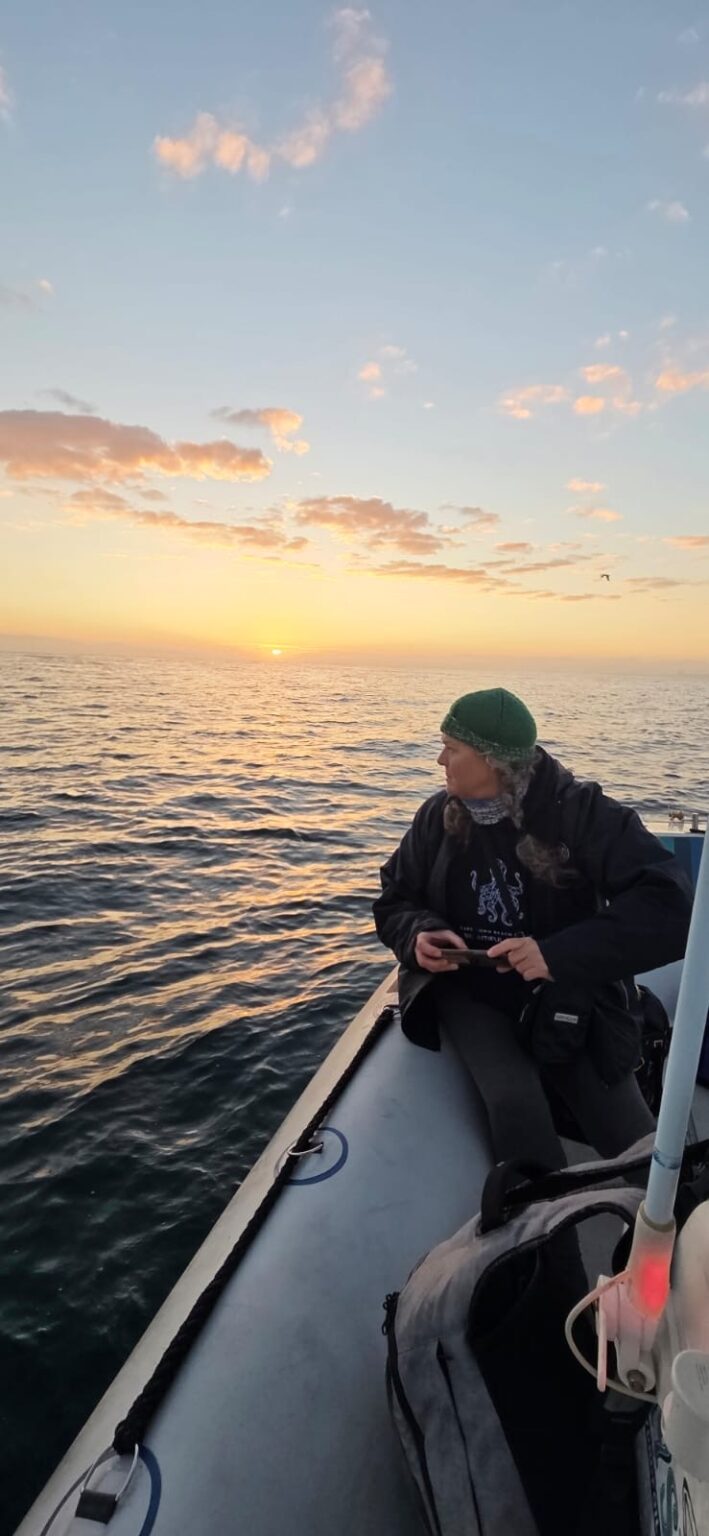
Open Water Swimming is a team sport, from the swimmer to the coach, from the squad and club training teams, as well as the the skipper on the day, and a very important, and often overlooked person on the team, is the Observer. This post is all you need to know about Observers, what they do, how they do it and how to become one.
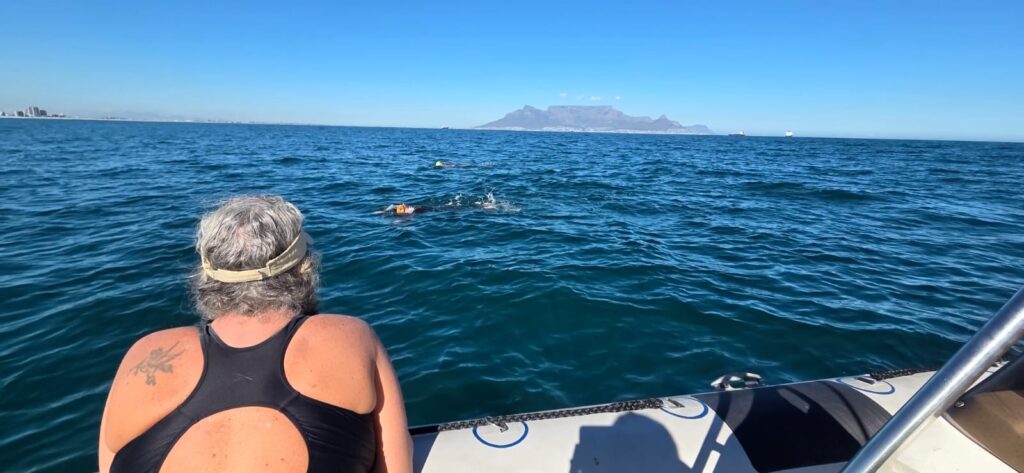
If you’re new to long-distance open water swimming, you’ve probably heard the word “Observer” thrown around and nodded along without being entirely sure what they do. Don’t worry — you’re not alone. The Observer is one of those roles that most swimmers only really think about when it’s time to plan their first big swim. So let’s break it down. This post covers the Observer’s role in open water marathon swimming generally, and then gets into the specifics of how it works here in Cape Town under the CLDSA rules.
What is an Observer?
An Observer is a qualified person on the support boat whose job it is, to make sure that the swim is done according to the Open Water Swim rules. They verify that the swim format matches which was intended and declared, that nothing untoward happens along the way, and that there is a proper official record at the end of it. Without an Observer, a swim is just a good story, but with an Observer, it becomes a ratified achievement — something that can be officially recorded and recognised.
Why Can’t the Skipper just Observe?
This is the most common question, and it’s a fair one. The short answer is that on long swims, skippers are way too busy. They are navigating, managing tides and currents, watching for boat traffic, and keeping everyone on board safe. Asking them to also formally monitor the swimmer, log conditions, and ensure rule compliance is just not realistic. The two roles are often quite distinct and kept separate for safety reasons.
That being said, in Cape Town things sometimes work a little differently, particularly for Robben Island crossings. For a Robben Island Crossing, the skipper and the Observer can be the same person, as long as they are qualified to do both. It is worth checking this when you book your support boat.
What Does an Observer Actually Do?
The role runs from before you even get in the water to after you have towelled off and gone home.
- Before the Swim: A good Observer doesn’t just show up on the day. They will have already reviewed the CLDSA rules and your specific swim format before they board the boat. It’s worth knowing that in Cape Town, there isn’t a formal pre-swim rule reading, which is the way some other swim organisations do it. But as a swimmer, it’s generally a good idea to ask your Observer to run through the rules with you before you start, just to ensure that everyone is on the same page and there are no surprises mid-swim. The Observer will also make sure the documentation requirements are in order, the timing equipment, log sheets, GPS tracking, and any photo or video requirements are set up.
- During the Swim: This is where the bulk of the work happens. The Observer is:
- On the clock: They have to record the official start and finish times.
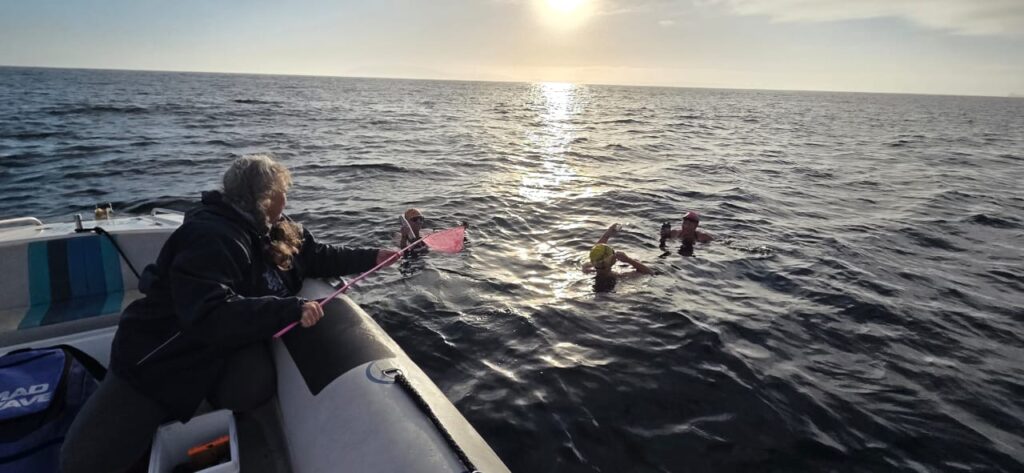
- Log the feeds: All feeds are documented by the Observer. They’re making sure nothing prohibited is consumed and that everything is logged properly.
- Keeps a detailed log of the conditions and the swimmer: Water and air temperature, wind, sea conditions, as well as the swimmer’s stroke rate get recorded at regular intervals throughout the swim.
- Observe the swimmer constantly: The Observer has to look for signs of hypothermia, anything that might affect the swimmer’s stroke or behaviour, and any external hazards. In Cape Town waters that includes wildlife.
- Monitoring rule compliance: Your swim category (skins, wetsuit, or assisted), your attire, and whether anyone is giving you unauthorised assistance are all tracked and documented on the log sheets.
- After the swim: Once the swimmer touches land, the Observer fills in the official Observer Report, and that document becomes the permanent record of the swim. This includes all the logged data, GPS information, and confirmation that the swim was completed according to the rules. No Observer report, means no ratification.
The Specific Rules of the CLDSA:
The CLDSA governs long-distance open water swimming across the Cape region, for example routes like the solo Robben Island crossing, Cape Point swims, and the False Bay routes. If a swimmer would like to have these swims ratified and recognised they will be required to have a CLDSA-approved Observer on their support boat.

Finding an Observer
Most of the regular swim operators work with Observers that they already know and trust, so your selected skipper is usually a good first place to ask about a skipper. If they can’t help, you can contact the CLDSA directly and they will point you towards their list of approved observers.
Becoming an Observer
There is no cost to become a CLDSA Observer. There is an Observer Application Form on the CLDSA website. The training is an online session of around two hours, after which you submit your application to be approved by the CLDSA Committee.
While you don’t need a formal qualification to start with, the CLDSA does recommend having an up-to-date First Aid Certificate. Given that Observers are often the first to spot signs of cold water shock or hypothermia, it makes a lot of sense — and out on the Cape waters, it could genuinely matter.
Staying Certified
The CLDSA has recently introduced a rule that if you haven’t observed a swim in the past two years, you’ll need to do a refresher course before you can Observe again. It keeps the pool of active observers sharp and up to date with any rule changes.
A word on Integrity
The value of an Observer comes from their independence. They are not there to cheer the swimmer on, though they might (just a little), they are there to document and verify the swim. That impartiality is exactly what makes a ratified CLDSA swim so meaningful. When a swim is logged in the CLDSA ratified swims database, it’s because an independent observer confirmed that every detail of the swim was according to the rules and above board.
Thinking about Becoming an Observer?
If you love open water swimming and want to be more involved in the community, observing is a fantastic way to do it. You get to be part of some incredible swims, you play a genuinely important role, and you might even pick up some useful knowledge for your own swimming along the way.
In Summary
- Training: +/- 2 hours online, free.
- Application: Observer Application Form.
- Certification: Refresher required if you haven’t observed in the past two years.
- Recommended: Up-to-date first aid qualification.
- More info: CLDSA Observers page
The Swimmer gets the glory.
The Observer makes it count.
For more on CLDSA swims, routes, and membership, head to the CLDSA Website.
Photographs supplied by Jonathan Dawson.
Related posts
CLDSA Swim Rules: What Can You Actually Wear?
We follow a set of standard guidelines defined by the English Channel Rules, and in 2021 the CLDSA formally voted to include a wetsuit category. We’ve […]
Official Swim Rules of the CLDSA
For a swim to be officially recognised by the CLDSA, there are a few rules. These rules are particularly important for the safety of the swimmers. […]
Membership to the CLDSA
The Cape Long Distance Swimming Association was established to record swimmer’s achievements and help swimmer’s achieve their goals. Because of this, they have created a legacy […]