

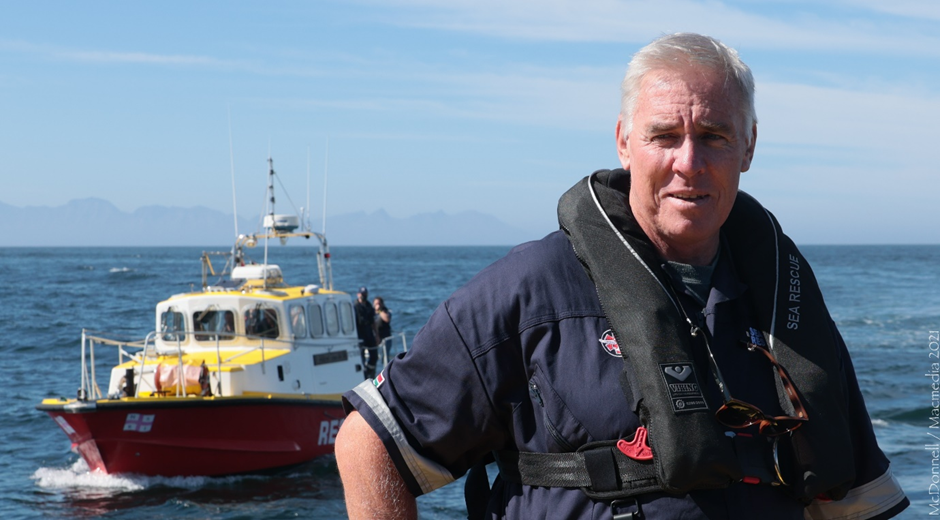
Open Water Swimming Tips from Dr. Cleeve Robertson of the N.S.R.I.
We asked Dr. Cleeve Robertson of the National Sea Rescue Institute (NSRI) for some open water safety tips for our swimmers. Dr Robertson was the CEO of the NSRI for ten years, and during that time the organisation grew from 900 to 1500 volunteers. While he was a critical part of many rescues, he was also instrumental in shifting the focus from rescue operations to preventative measures, such as implementing survival safety training and drowning preventative education.
- What are the benefits of open water swimming?
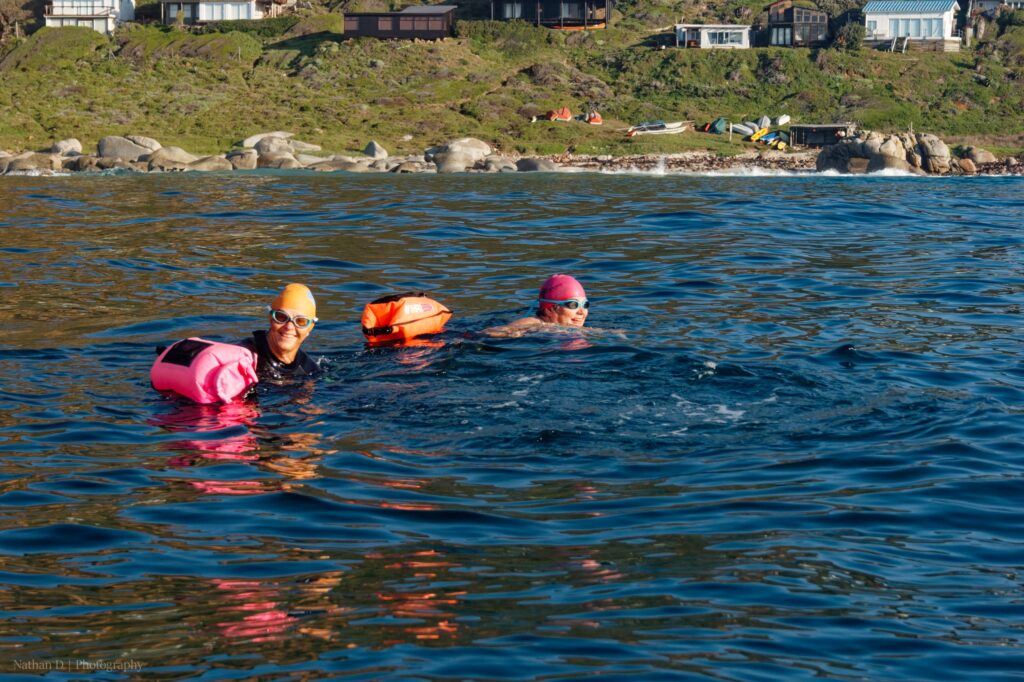
I think common sense tells us that a social activity like cold water swimming is good for the psyche, meeting challenges and fear of swimming in the ocean builds confidence and character, so there are definitely benefits. The exercise you get if you’re actively swimming is also great.
- What can one do to prepare for open water swimming?
First of all you should be medically fit and not have any conditions that could affect your ability to swim. Make sure your heart is in good shape and if you’re over forty that you’ve had your CT Angiogram and Calcium score done so that you know that you’re not going to have a heart attack. General physical fitness is a good start. Start slow, there’s no hurry, you can build up your capacity length by length, minute by minute.
If you have exercise or cold induced asthma, get your physician to advise you and get you on the right preventative medication. Heart rhythm problems can affect your ability to swim, so if you have atrial fibrillation or paroxysmal atrial tachycardia for example, make sure you get checked out by a cardiologist. You can get acclimatised to the cold by gradually dipping in colder water. Never jump into freezing cold water when you are warm, that can cause rapid vasoconstriction and an unnecessary load on the heart causing gasping, which may lead to aspiration and drowning and it could precipitate a heart attack.
- What are critical safety tips for open water swimming?
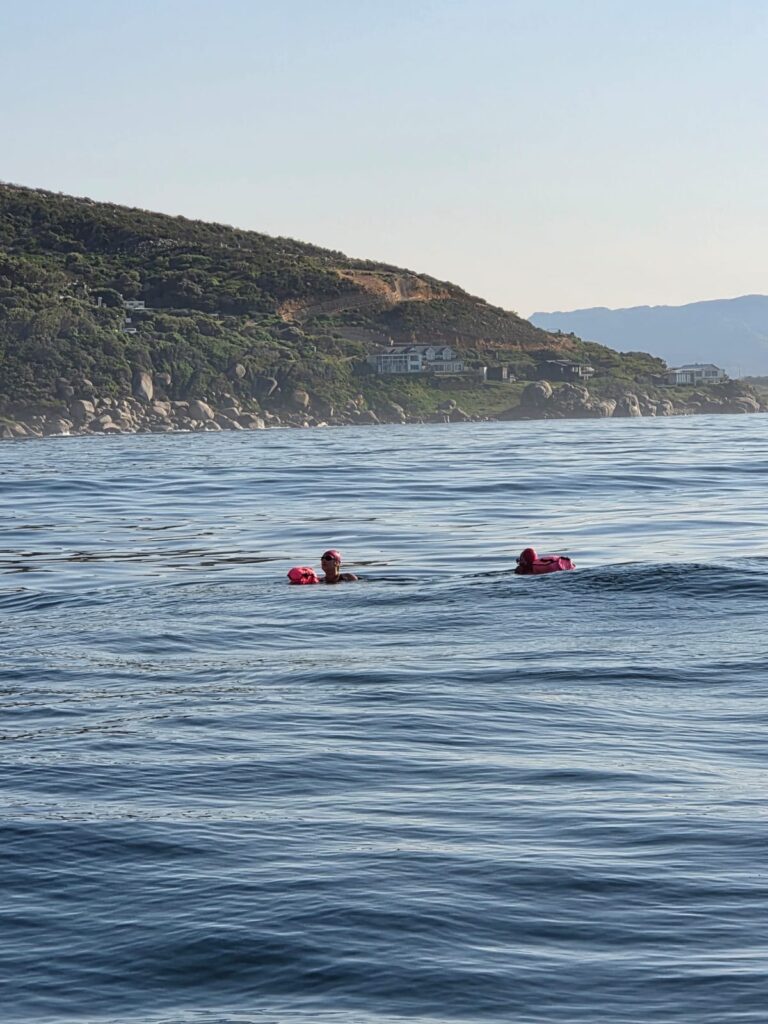
Swim with a friend and swim within your capacity. Make sure that you have the correct equipment: Swim with a tow buoy and don’t be afraid to wear fins; get a decent pair of swimming goggles; wear a swimming cap, because your head loses a lot of heat. Some people even swim with a mask and snorkel.
Avoid rough water, it’s unpleasant. Get local information about currents, hazards, sharks, seals. If you are allergic to marine stings, avoid swimming if there are jellyfish or blue bottles around. If you swim regularly in Cape waters get a Rabies Vaccine (Some of our local seals are infected with rabies).
- What is the best way to get into the water?
Work up to getting in, you’ll find you acclimatise and eventually, even before you get to the water, your physiology is already adapting. Don’t just jump in, especially if you’re not sure.
- How do you manage the initial shock?
Take a few minutes to relax in the water before you start swimming, and then you might want to swim a bit harder to generate some warmth. Once you feel comfortable, you can settle into a rhythm.
- How do you decide when it is time to get out?
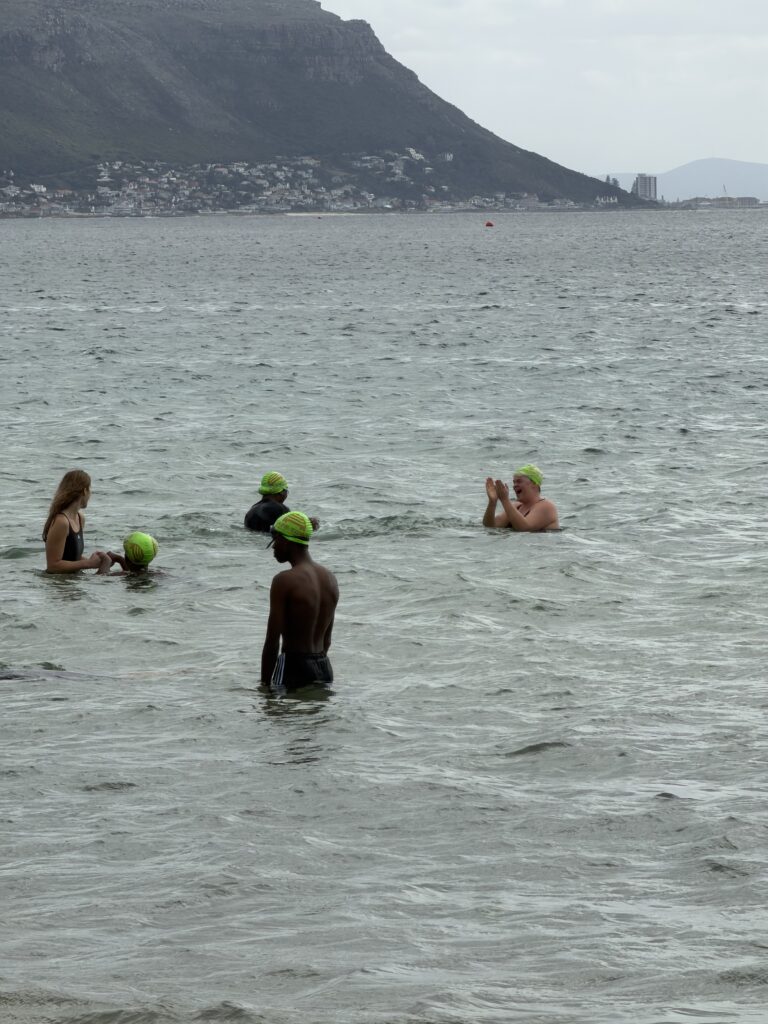
That comes with experience, as you build up, you’ll be able to know how long you can swim for. Endurance will differ for different temperatures. If the experience becomes unpleasant, get out, you’re there to enjoy it, not to suffer.
- How can you tell if your swim buddy is battling?
Swim with them often and you’ll learn what your mutual endurance is like. I swim a bit faster than my mate, so I circle back so that I keep moving and don’t get cold. You should still be capable of swimming easily and of normal speech, never get to a point where you can’t swim or talk, then you have gone too far!
- How do you warm up after a swim?
A combination of hot drinks, getting out of the wind, warm clothes, including a windproof jacket, and if you’re really cold, getting into a hot shower. If you’re doing a long swim, you need to stay hydrated and maybe get some energy in. Sounds weird but you lose fluid while you are swimming so you should have liquids during a long swim. After your swim hot chocolate or coffee will be good.
- Is there a post swim routine for open water swimmers?
Everyone will develop their own routine, I towel off, get warmly dressed and then go for a nice coffee.
- What should you avoid before, during, and after an open water swim?
Definitely no alcohol or sedatives before a swim, and avoid heavy meals. A cup of coffee or tea before hand gets you going but avoid drinks that will repeat on you. Don’t swim after a heavy exercise session, because you want to avoid getting cramps at all costs. If you do get cramp, stretch it out and get out of the water.
Related posts

Coping with the Cold in Cold Water Swimming
Benefits of cold-water swimming There are numerous benefits to this fun outdoor sport. Swimming in general is a very cardiovascular sport, promoting both cardiac respiratory fitness. […]
Meet the Committee: An Interview with Peter Emslie
I have served as CLDSA’s Ratification Officer since 2023. By day I’m a sales manager in the pesticide industry, based in Paarl. Outside of work I’m […]

Invitation to the CLDSA 2026 AGM and Awards Evening
It is that time of year again and we are looking forward to our Annual General Meeting and Awards Evening in September. It is very much […]