

Coping with the Cold in Cold Water Swimming
Benefits of cold-water swimming
There are numerous benefits to this fun outdoor sport. Swimming in general is a very cardiovascular sport, promoting both cardiac respiratory fitness. It’s also weight-free, with minimal joint impact (unlike sports like running). There are numerous anecdotal reports of improved mood for swimmers (better mental health). This applies to all sports, esp. outdoor sport. However cold-water swimming seems to have a particularly strong effect on ‘feeling better’, likely as a combination of being outdoors, in the ocean, and hormones release (incl. endorphins). These effects last for hours to days after swims. So the sport is good for both physical and mental health.
Preparation for cold open-water swimming
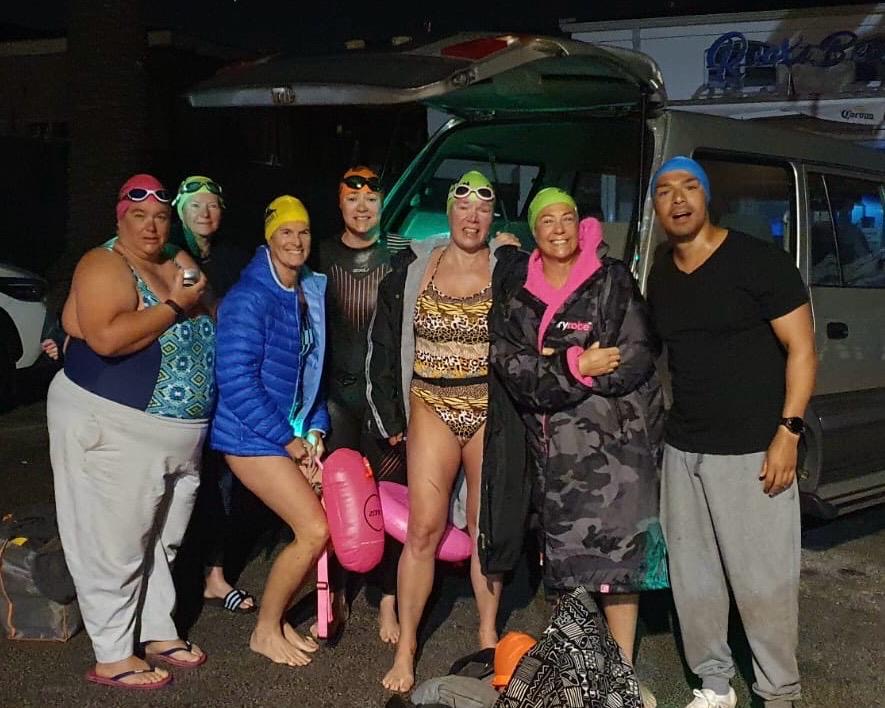
General fitness is useful. Start swimming in warm water (e.g. gym pools) if possible to get the basic swimming technique / muscles working. Cold-water exposure should be gradual. Start with short ‘plunges’ , e.g. 10 mins, then build up from there, esp. if swimming in ‘skins’ (speedo + cap). Wetsuit swimming also takes getting used to, but has more buoyancy and less cold impact. Tidal pools are safer to begin the process. In actual open-water sea swimming, start with experienced swimmers (ideally a group). They can guide new swimmers about the actual beach conditions (incl. riptides), and watch each other for early hypothermia symptoms.
Safety tips
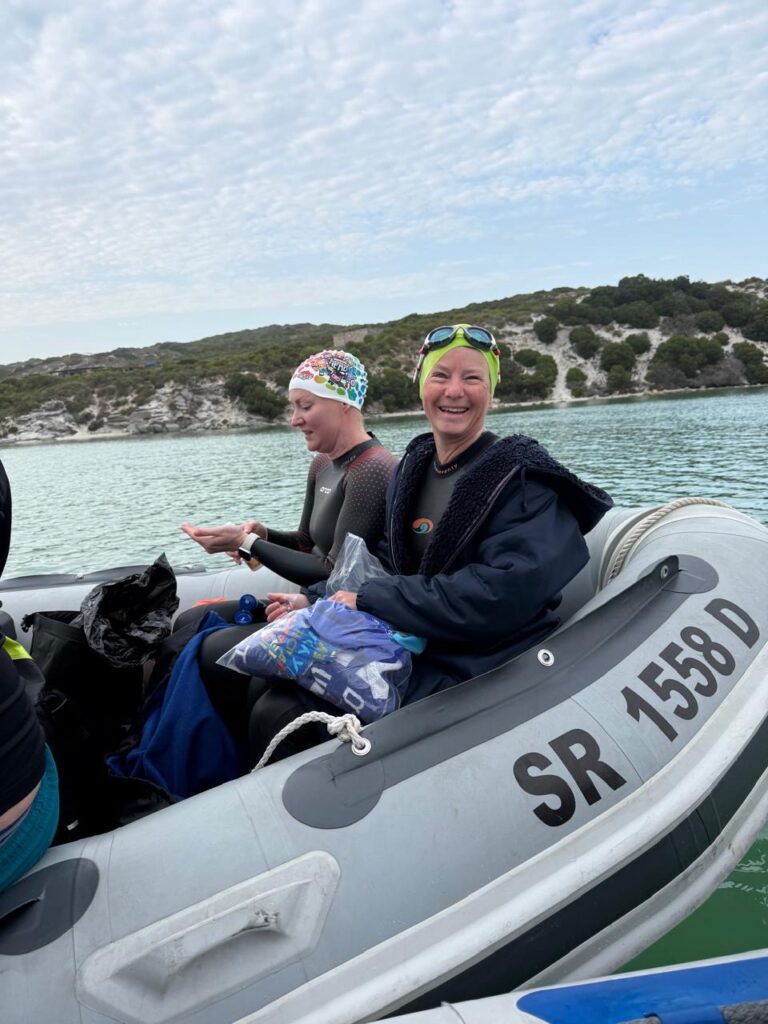
Swim in groups in the sea. Use a swim buoy / tow float (better visibility / flotation in emergencies). Tell someone about your swim (safety backup), incl. a second on the beach. For long swims have a paddler / boat accompany the swimmer (with comms e.g. radio / cell phone).
Best way to get
Try to wade in initially, with water up to the waist then neck. Take a few strokes head up / breast-stroke, then full overarm crawl. Splashing the face can also prepare the body for the swim. Diving in straight away gets cold water on the face, which activates the mammalian diving reflex. This can trigger cardiac arrhythmias esp. in new swimmers, and those with heart conditions.
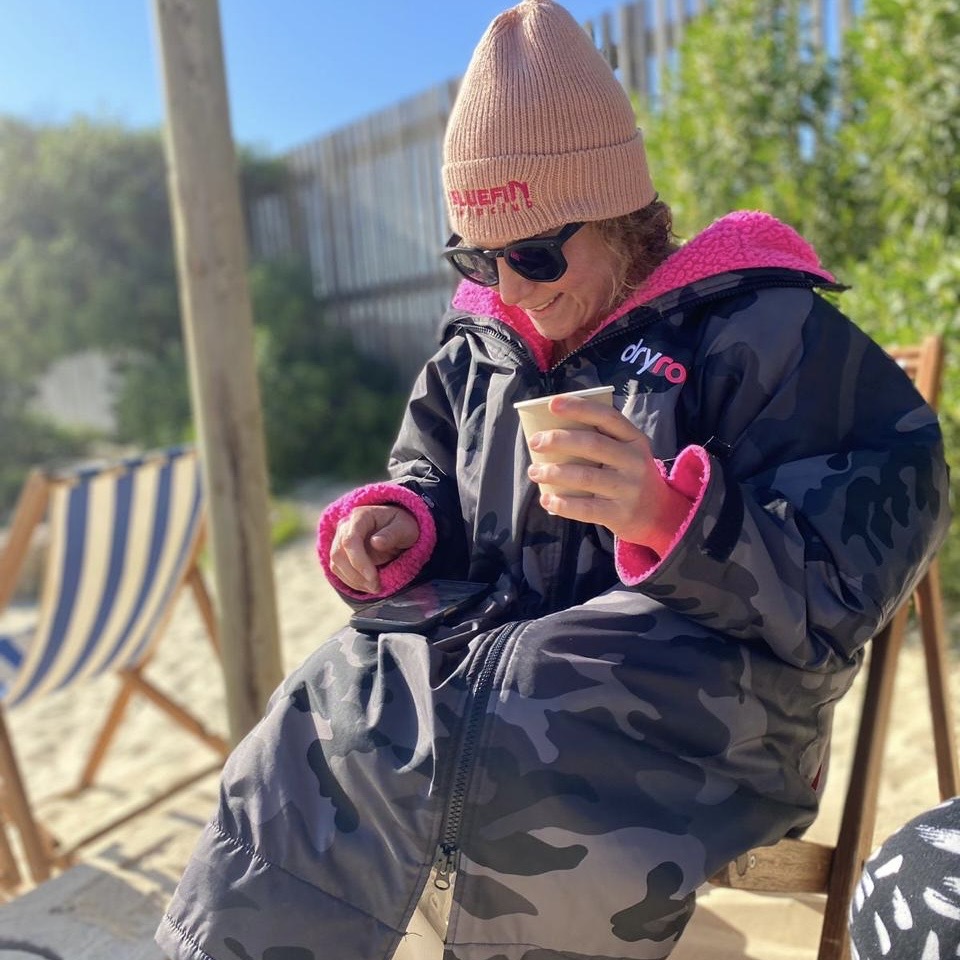
Initial cold shock
Try to get your breath, and find your rhythm. Don’t panic! Breathing too fast (hyperventilating) causes numerous issues. Start at a steady pace, then find your own speed and rhythm. You’ll settle down within a few minutes of swimming.
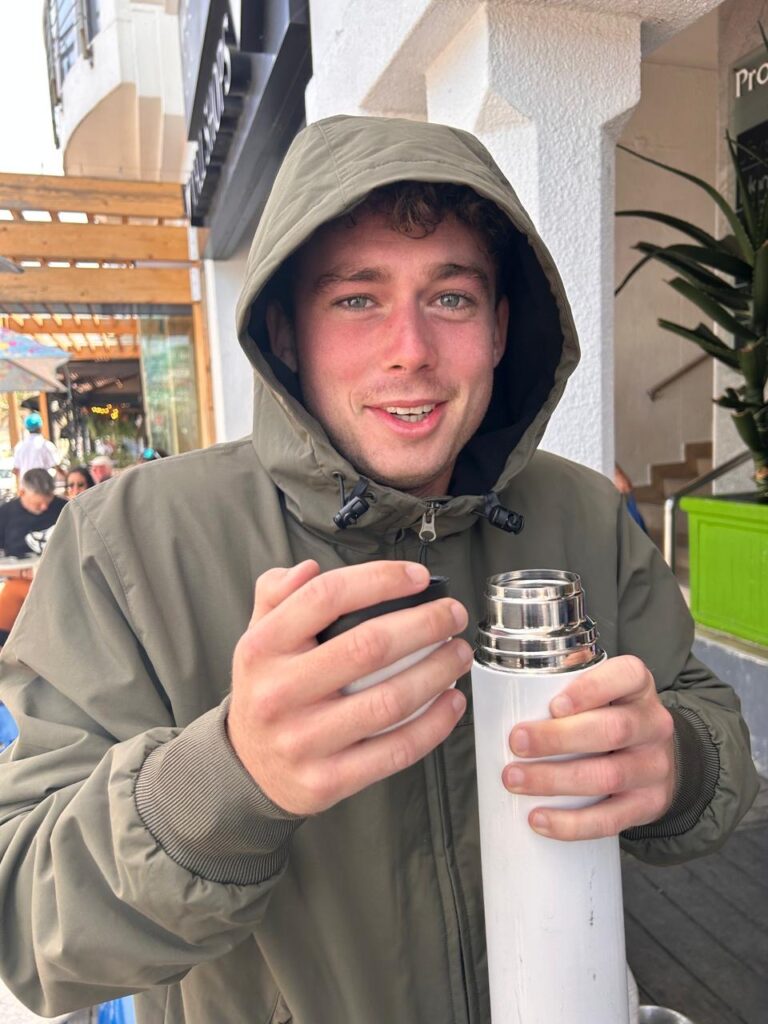
Time to get out
If you are getting very tired, and starting to shiver in the water, then it’s time to exit. Signs of hypothermia include slurring speech, development of confusion, inability to swim straight, worsening stroke style, and poor interaction with other swimmers. In swim groups more experienced swimmers can escort new swimmers with early hypothermia to the beach.
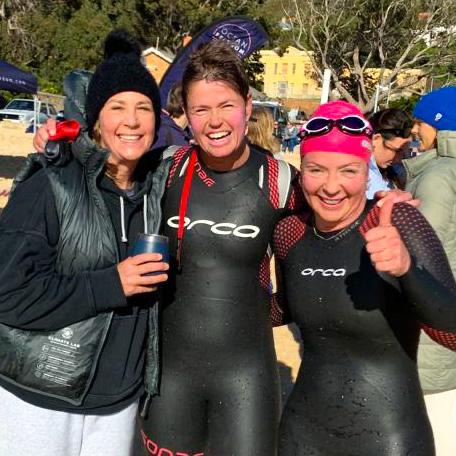
The after drop
This is a phenomenon where swimmers exiting cold water get worse before they get better. This includes increasing shivering, slurring of speech, and confusion. Time-periods vary, but for a half-hour cold swim the process can take about 45 mins.
The after-drop occurs for following reasons: as swimmers warm up after exiting cold water, their peripheries (skin / limbs) are increasing in temperature. However, this cold blood then returns to the ‘core’ of the body, with a paradoxical drop in central temperature. This occurs esp. if swimmers heat up too quickly (e.g. very hot showers / saunas). So it’s preferable to warm up at a moderate speed.

Post swim routine
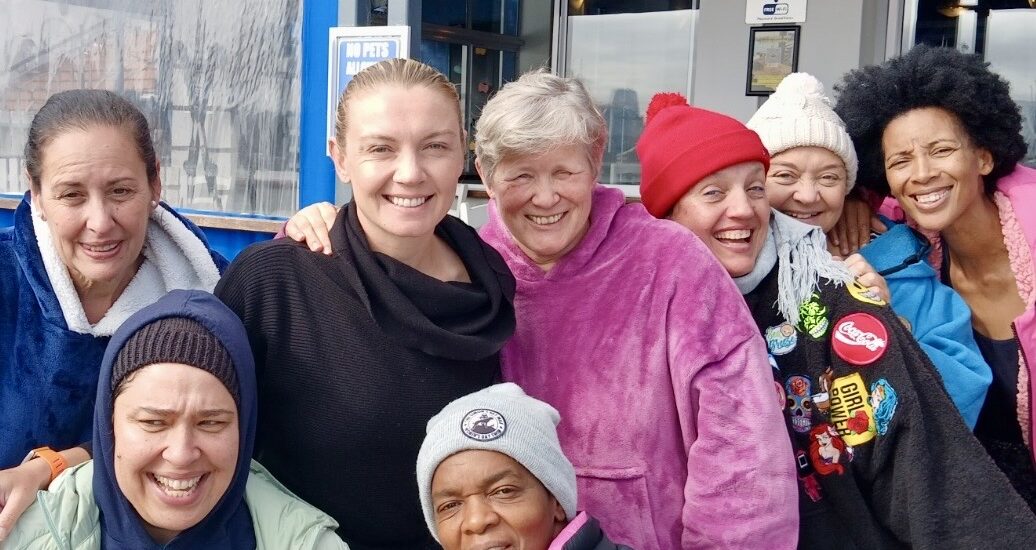
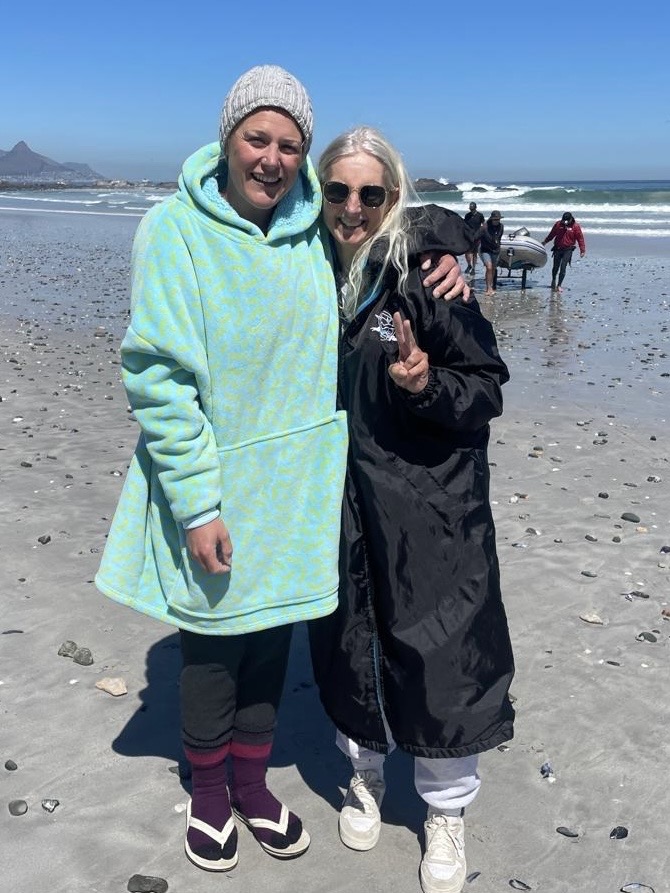
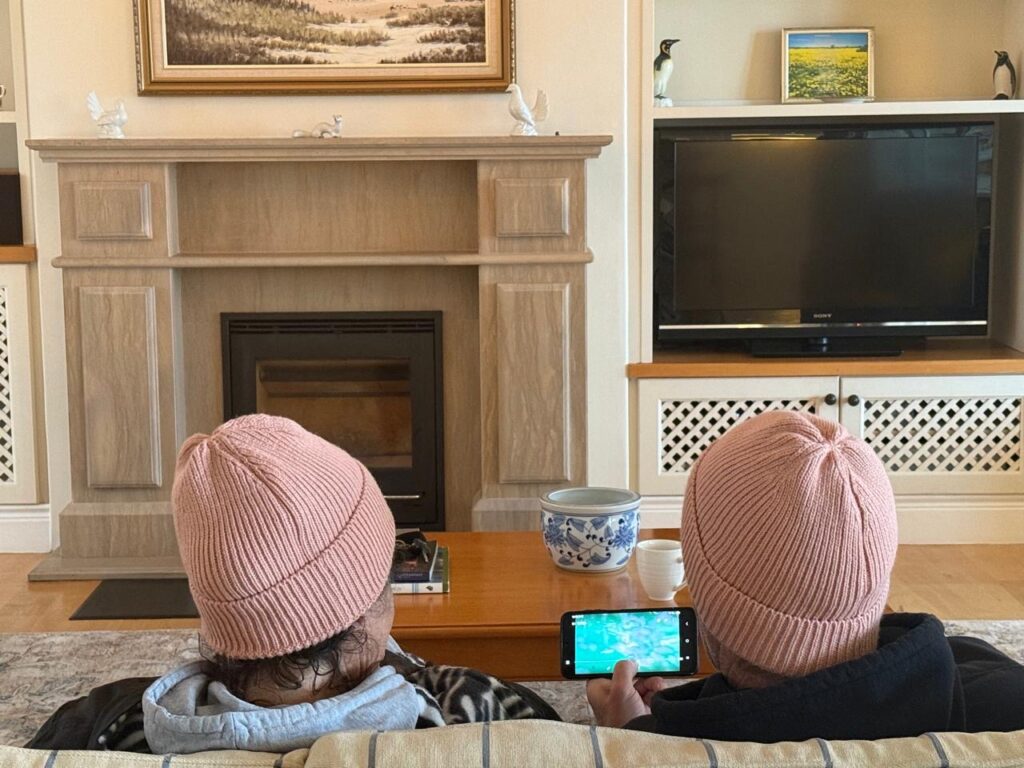
This varies between swimmers. Generally it’s best to dry off quickly and put on warm clothing. Swimmers often stand on the beach after a long swim (eg Robben Island), and can get much colder quite quickly. This is because they are no longer generating heat (exercising), with wind blowing off the body (evaporation). So get dry, put on warm clothes, and get out of the wind. Warm drinks (e.g hot chocolate) are good; just not boiling (risk of burning lips etc). Body heat (hugging) is also good for anyone who’s struggling!
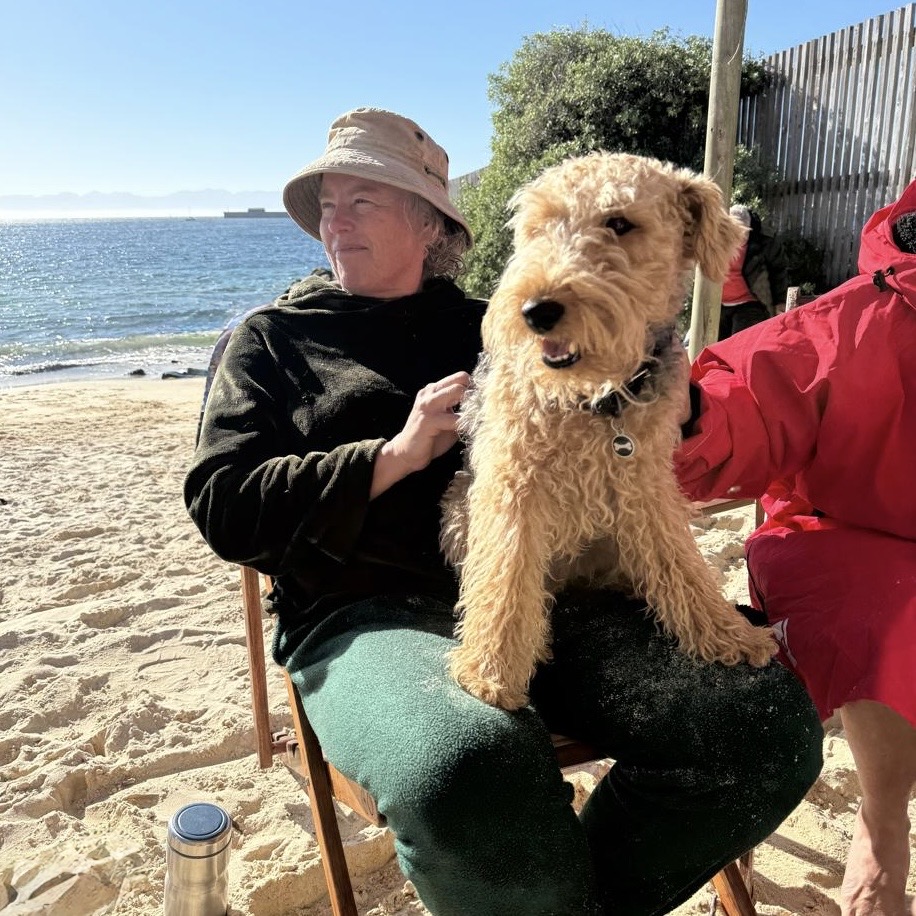
Things to avoid
Don’t swim sick (e.g. influenza) or with a hangover. Avoid taking alcohol pre swim.
Avoid eating / drinking anything you’re not familiar with on a major long swim. Take the same breakfast pre swim (and nutrition during the swim) that you’ve practiced with. After the swim, get dry, put on warm clothes, and rewarm at a steady rate with other people around you. Don’t drive immediately (risk of confusion / after-drop effects). Warm up in a group so everyone can keep an eye on each other.
Overall
Build up steadily with experienced swimmers, and enjoy the sport!
Blog info by:
Dr Sean Gottschalk
CLDSA Medical Officer
Related posts
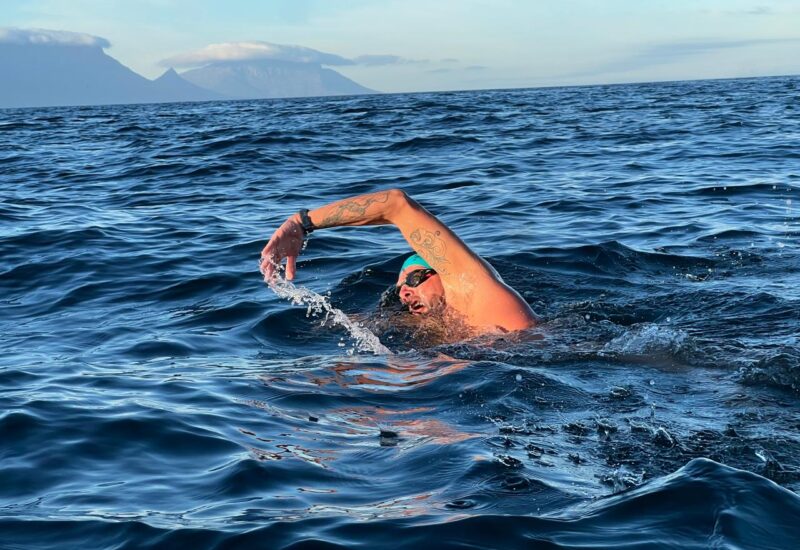
Meet the Committee: An Interview with Peter Emslie
I have served as CLDSA’s Ratification Officer since 2023. By day I’m a sales manager in the pesticide industry, based in Paarl. Outside of work I’m […]
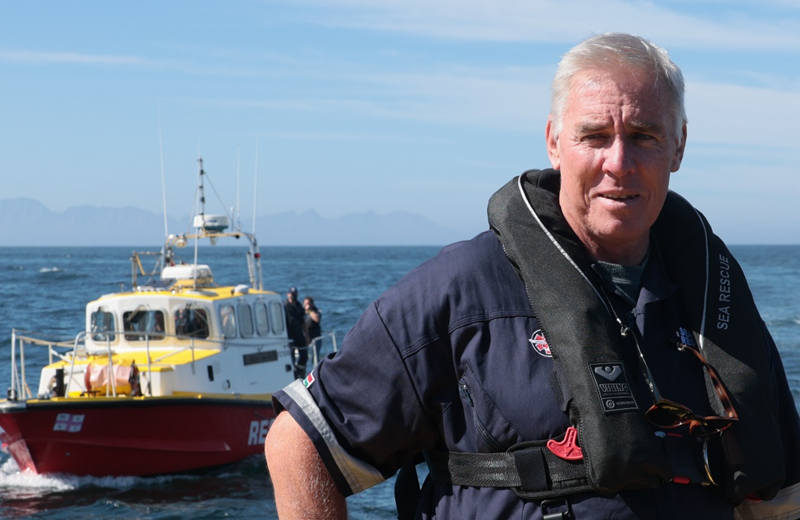
Open Water Swimming Tips from Dr. Cleeve Robertson of the N.S.R.I.
We asked Dr. Cleeve Robertson of the National Sea Rescue Institute (NSRI) for some open water safety tips for our swimmers. Dr Robertson was the CEO […]

Invitation to the CLDSA 2026 AGM and Awards Evening
It is that time of year again and we are looking forward to our Annual General Meeting and Awards Evening in September. It is very much […]