

CLDSA Swim Rules: What Can You Actually Wear?
We follow a set of standard guidelines defined by the English Channel Rules, and in 2021 the CLDSA formally voted to include a wetsuit category. We’ve also added a few Cape Town–specific nuances. Our goal is to ensure your swims are internationally recognised swims and still make sense in our local ocean.
What can you wear?
Let’s be honest — swim attire rules are one of those things everyone chats about on the beach, and often get wrong. Under the CLDSA rules, there are three swim categories:
- Skins: The purist marathon swim (internationally recognised)
- Wetsuits – recognised by the CLDSA
- Assisted – when safety, medical needs require help.
Each category has its own yeses, nos, and absolutely-not-under-any-circumstances.

Standard Skins Category
Skins swimming is guided by the traditions and spirit of unassisted marathon swimming. There’s a reason for this. Marathon swimmers take pride in the fact that their swims can be meaningfully compared to those of swimmers from previous generations — because the standard equipment of the sport hasn’t really changed since 1875.
What’s allowed:
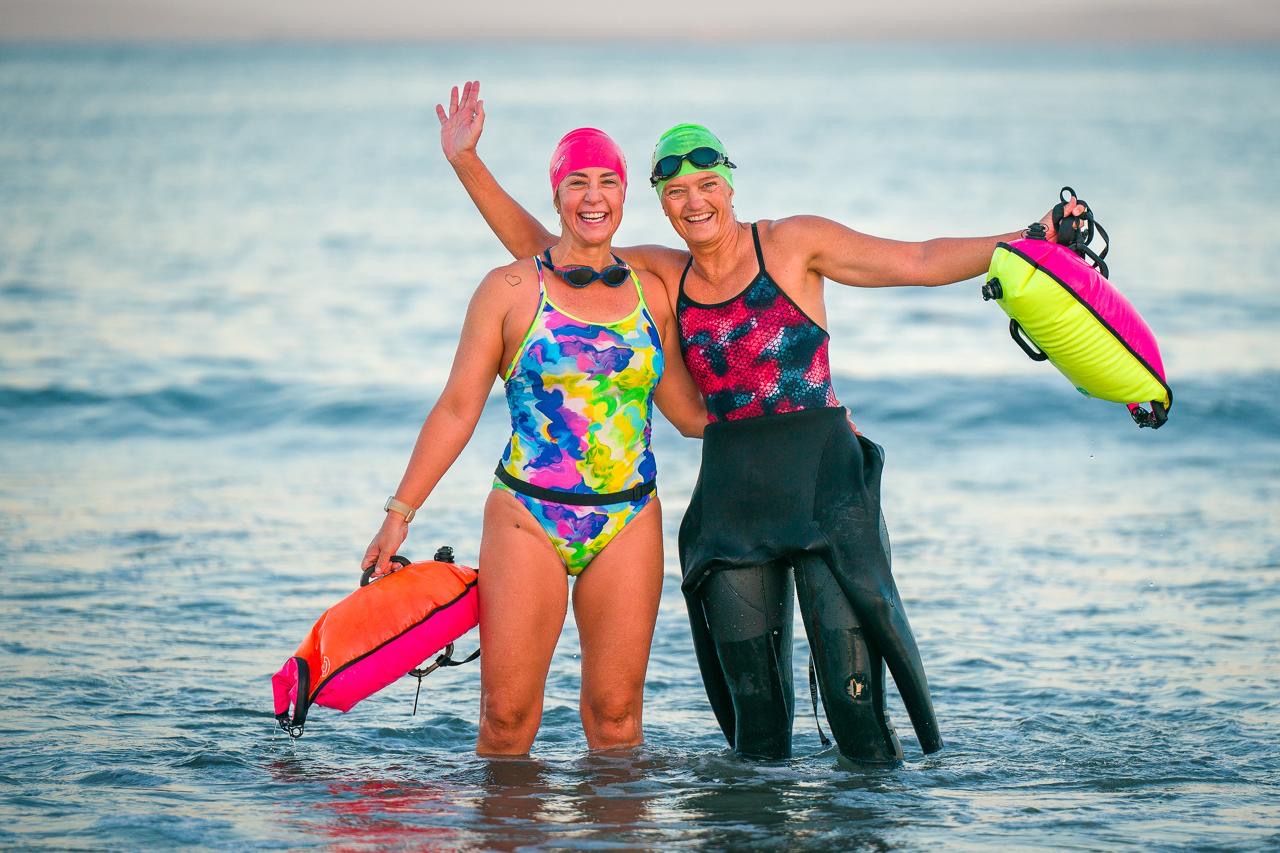
- Swimwear specifics (this is very important): One costume only, made of porous textile material. It must be sleeveless and legless, no neck or shoulder coverage. If your costume doesn’t tick these boxes, your swim may not be recognised — even if you did the distance. This catches people out, so double-check before you swim.
- One swim cap only. Latex, silicone or cloth: Must not cover your ears or extend below the earlobes. (Neoprene caps? Hard no).
- One pair of goggles: Smart goggles are fine.
- Ear plugs and nose clips.
- A watch and/or heart rate strap.
- Grease and sunscreen.
- Shark deterrents.
- Jellyfish sweepers.
- Lights for night swims – At least two glow sticks or one flashing light.
- What about Tow-floats? Only with prior CLDSA approval. (This is relevant for events like the Langebaan Express). A Tow-float is for Visibility only — you may not hold onto it.
Wetsuit Category
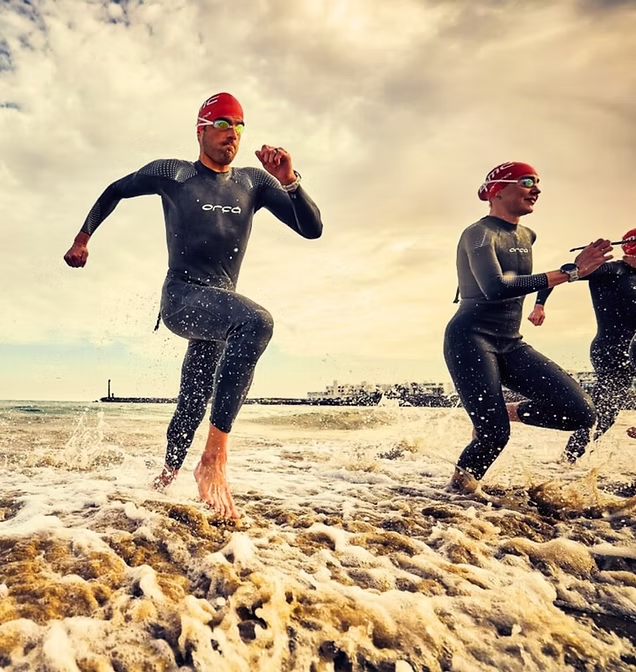
This category is for swimmers who want or need thermal protection, or whose swimwear doesn’t qualify as skins.
What’s allowed:
- Neoprene wetsuit up to 5mm thick.
- Up to two caps: Latex, silicone or cloth only. Still no neoprene caps.
- Rash vests and stinger suits.
- Tow-floats – Again, prior approval required. For visibility only — not something to hang on to mid-swim.
- Burkinis fall into this category.
What’s NOT allowed:
No gloves, booties or hoodies
Assisted Category
If your swim involves anything that adds extra warmth beyond wetsuit rules, extra speed,
buoyancy, or artificial aids, you’re in the Assisted category.
This includes (but isn’t limited to):
- Wetsuits thicker than 5mm.
- Neoprene caps, gloves, booties or hoodies
- Flippers or paddles
- Pull buoys or tow-floats used for buoyancy
- Taping or strapping — take note of this. Strapping anywhere counts as assisted.
- Any other artificial aids – consult with your observer before your swim.
Please Note: Very Important Requirement
You must apply to the CLDSA Committee before an Assisted Category swim, and your application must clearly list every aid you plan to use.
The Summary
- Skins Category: Just you, minimal gear, zero assistance.
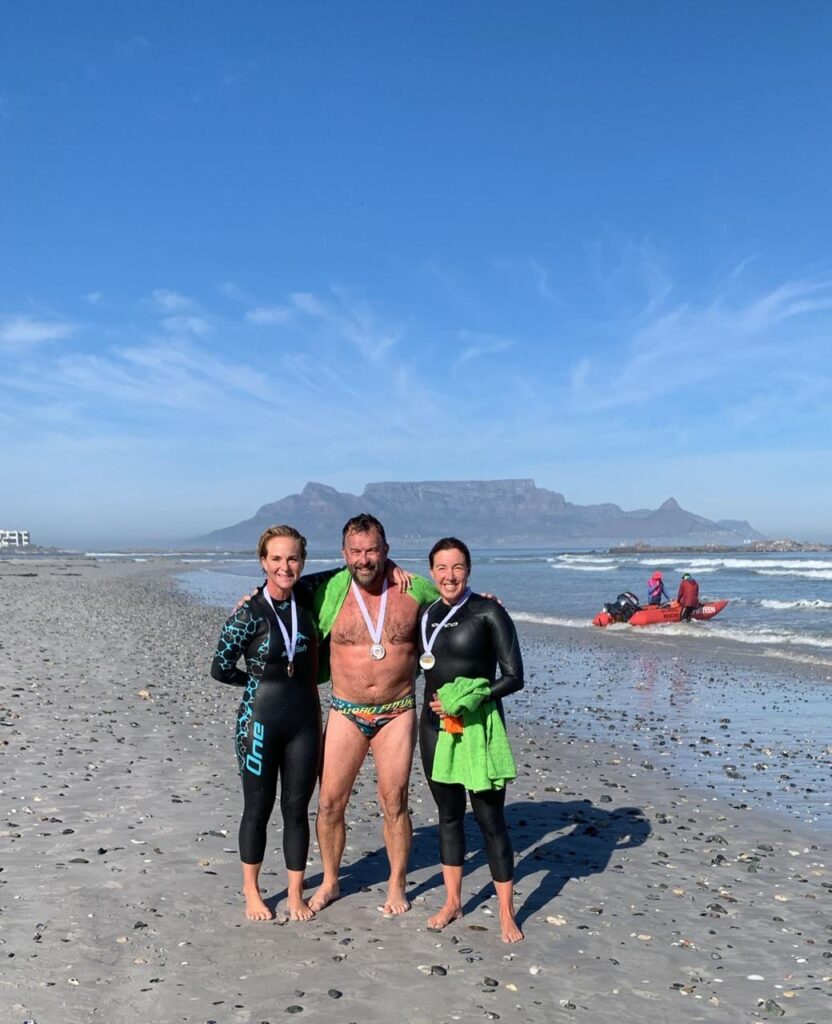
- Wetsuit Category: Some warmth, no shortcuts.
- Assisted Category: Help involved, approval needed.
If you’re unsure, please ask before you swim!
Related posts

CLDSA Swim Rules: Everything You Need to Know About Observers
Open Water Swimming is a team sport, from the swimmer to the coach, from the squad and club training teams, as well as the the skipper […]
Official Swim Rules of the CLDSA
For a swim to be officially recognised by the CLDSA, there are a few rules. These rules are particularly important for the safety of the swimmers. […]
Membership to the CLDSA
The Cape Long Distance Swimming Association was established to record swimmer’s achievements and help swimmer’s achieve their goals. Because of this, they have created a legacy […]