


CLDSA Swim Route: Around Cape Point (8km)
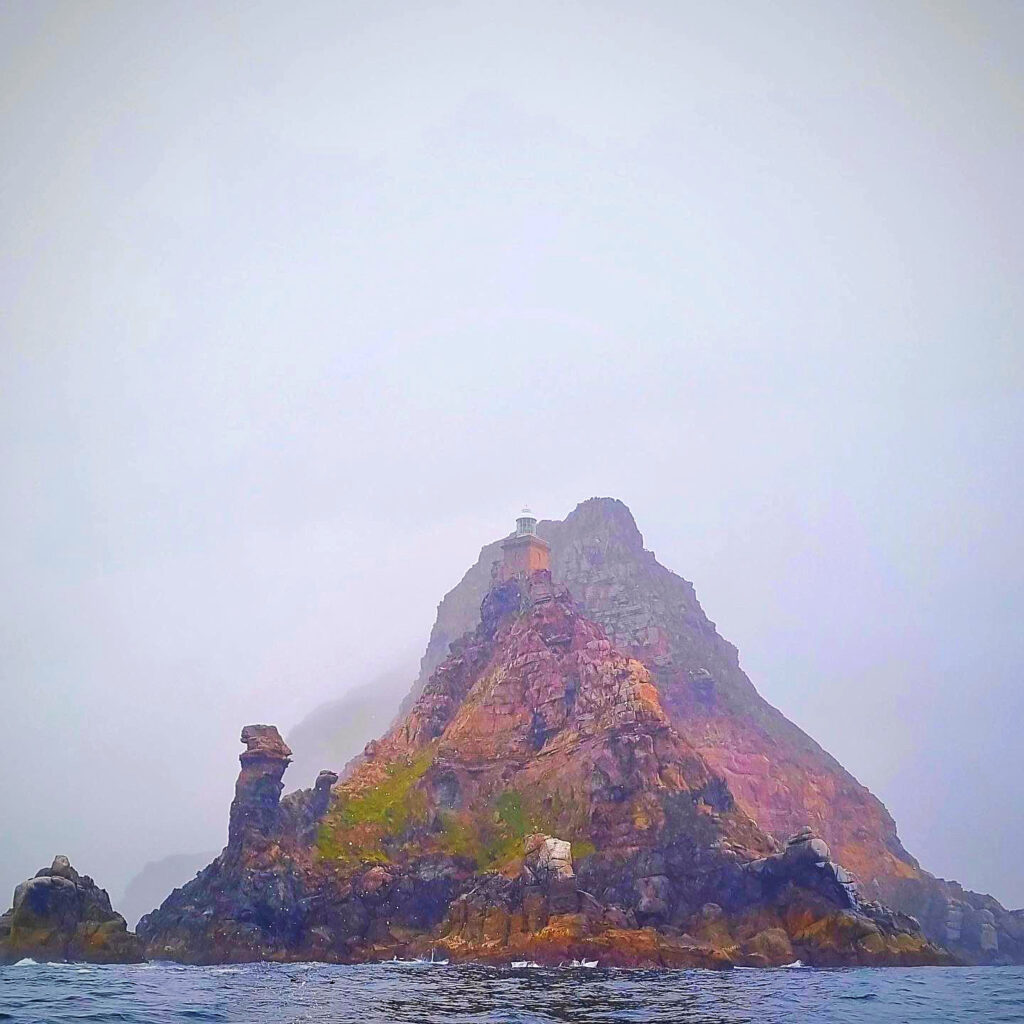
Cape Point is the Southern most point of the Cape Peninsula, a rugged and beautiful rocky feature that juts out into the South Atlantic Ocean. The ocean is unpredictable and uncompromising in this part of the world. The World Meteorological Weather Station at the Point, which keeps track of conditions, claims it is possibly the windiest spot in the country, with calm weather conditions less than 5% of the time. It is a rare day that conditions are suitable for a swim around the Point, and when conditions are good, they will never be good for very long, so you have to grab the opportunity and go. It is an outstandingly beautiful swim in the right conditions and well worth the long wait for a weather window.
The History
Cape Point is one of Cape Town’s many outstanding tourists spots. People visit to see the incredible biodiversity of the fynbos region, and look down on the wild sea below the rugged and rocky cliffs. Also, on those rare perfect days, it feels as though one can see for miles, all the way across the Southern Ocean to Antarctica, about 6000 miles away, and all the way to iconic Table Mountain, if you are looking north. You will often hear sightseers saying, they would love to swim around that point that lies beautiful and gleaming in the Cape Kelp forests below them.
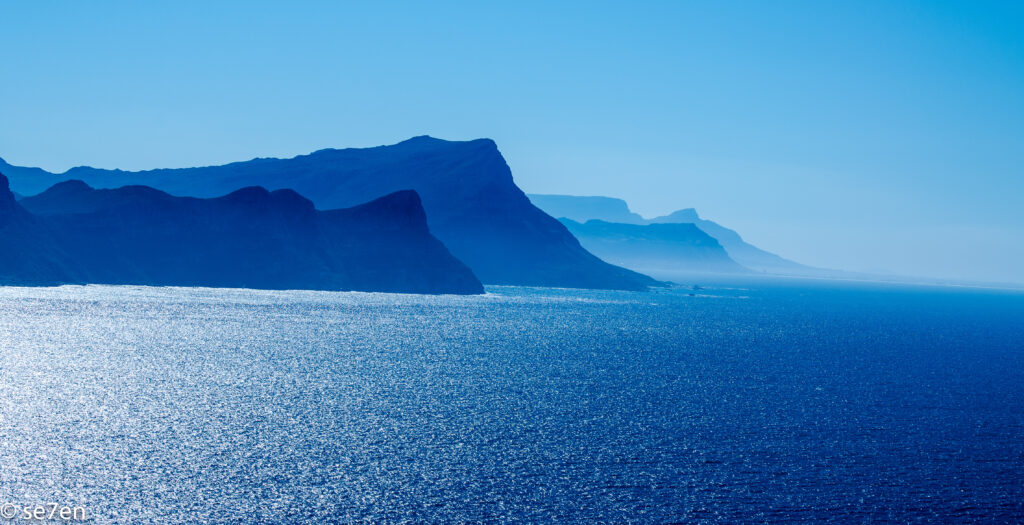
Historically, ancient caves along the shoreline were home to the indigenous Khoisan people and in more recent times, many shipwrecks can be found along this coast, as a testament to just how wild and stormy these shores can be. Legend claims that the Flying Dutchman, a ghost ship, still prowls these waters and is doomed to sail there forever, because the Captain and his sailors never reached their port.
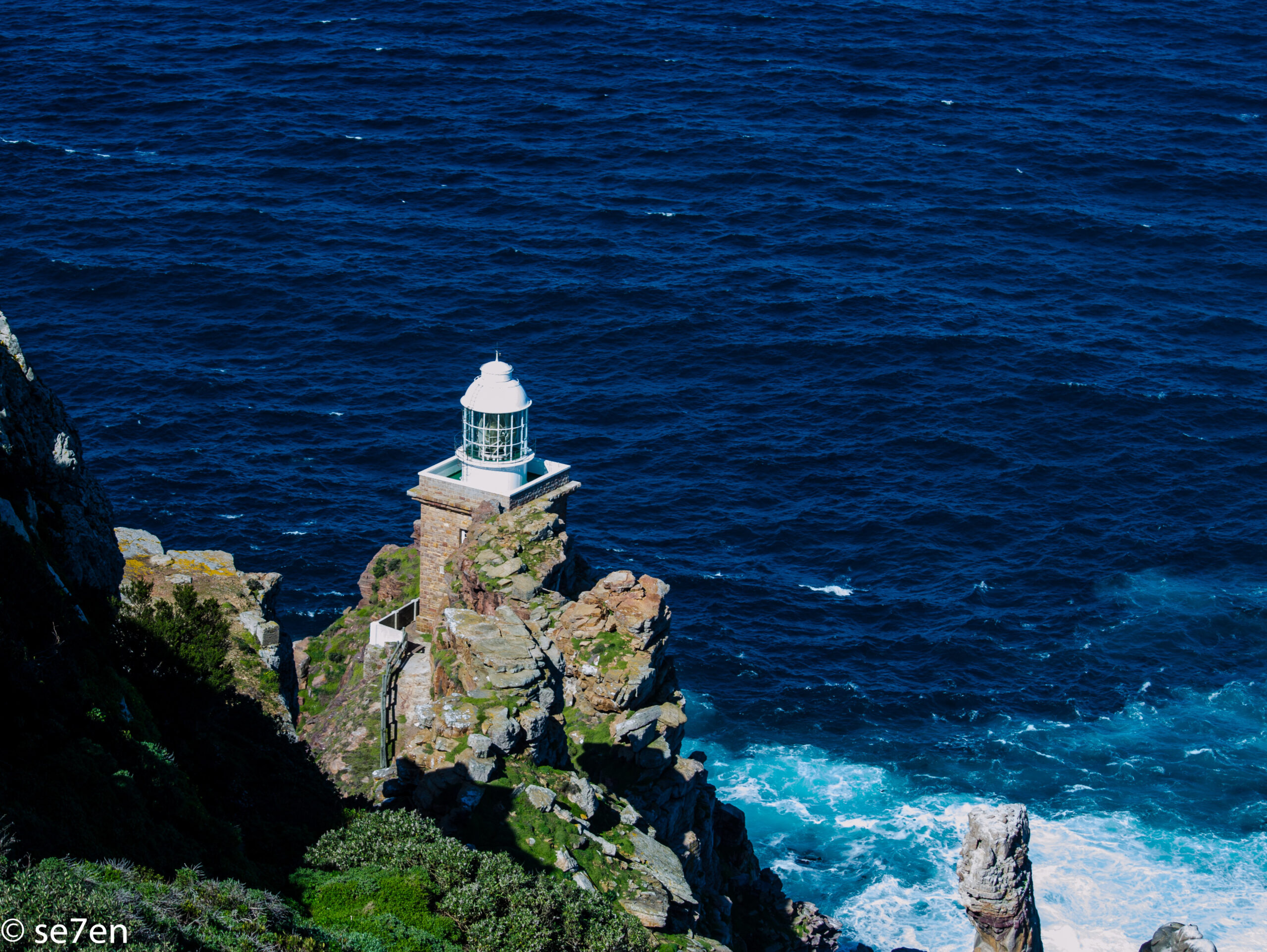
An interesting feature of Cape Point is that there are two lighthouses at the Point. The original lighthouse was built in 1859, and at more than 260 meters above the shore, proved to be completely ineffective at warning passing ships of its presence, not only because of it’s height but because it is often covered in mist and cloud. After more than half a century of shipping disasters, despite the lighthouse, a new lighthouse was built in 1919, closer to the shore at about 90 meters about sea level, and with a much brighter beam, which is visible from up to 60 km off shore.
The Swimming History
The first recorded swim around the Point was by American Swimmer, Lynne Cox, in 1977. It was several years later that Lewis Pugh (in the 90s) swam a shorter 3km route, and Carina Bruwer was the first South African swimmer to swim the original, Diaz Beach to Buffels Bay route in 2004, at the age of 24. Since then several swimmers have completed the swim around Cape Point, about 150 swimmers to date.
The Route
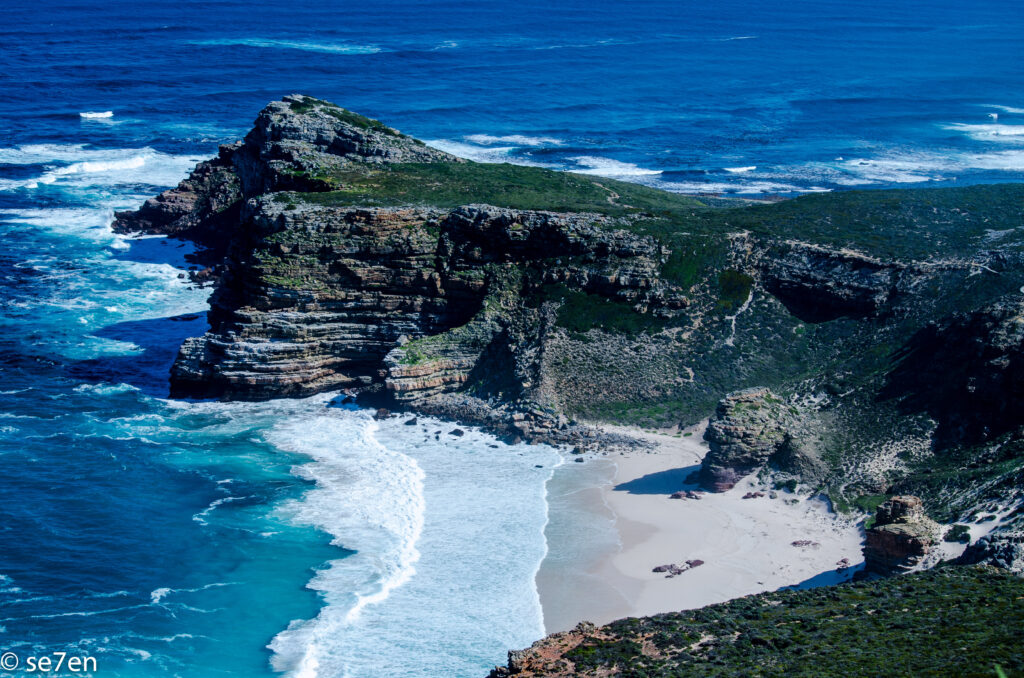
This route is a swim within Cape Point Nature Reserve, from Diaz Beach, around the Point, continuing up the False Bay coastline, to Buffels Bay. A lot of swimmers that complete their Robben Island Crossing, who are looking for a new challenge, might consider this swim, because it is a similar distance to the Robben Island Crossing… but there is a reason that hundreds of swimmers have done a Robben Island Crossing, and a lot fewer have done a Cape Point Swim!
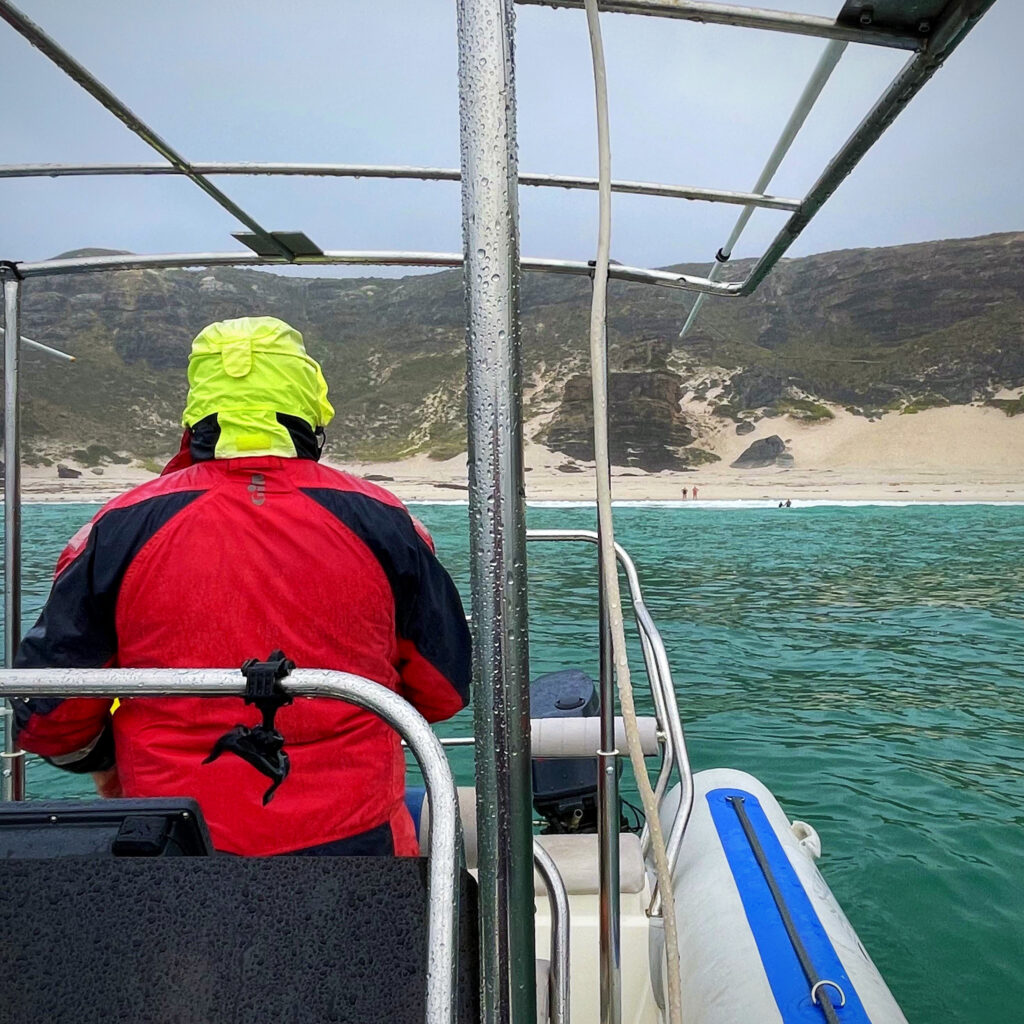
This is one of those routes that looks nice from far, and when you get up close… well it can be tricky. Usually swimmers head to the start of the swim, at Diaz Beach with their observer boat. At this point the swimmers have to swim to the shore and stand on the beach and wait for the signal to start their swim. Dias beach is extremely beautiful but also notorious, the wild entrance into and out of the beach can be quite treacherous at the best of times, huge waves that have built up in the Southern Ocean, will launch the swimmers onto the beach. From the beach, the swimmers will try and navigate their way back through the waves towards their support boat, where it is extremely advisable that you left a spare cap and goggles.
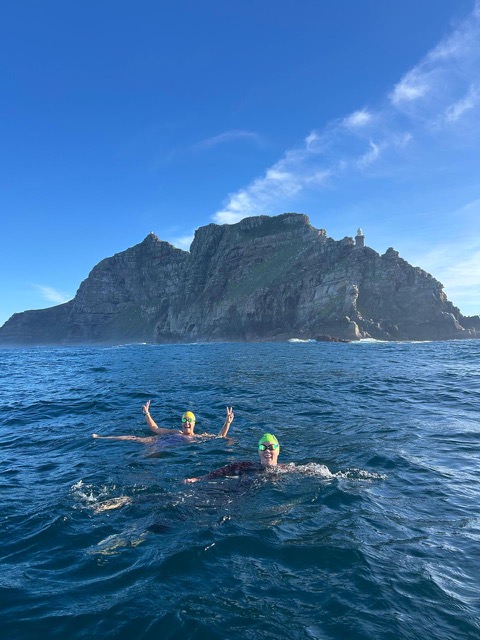
The swim from the beach to the actual point is not for the fainthearted, with a combination of large incoming swell and ricocheting waves off the rocks, it is fairly “bumpy” in the water and it is quite difficult to find your rhythm. But also remarkably beautiful and totally worth it. Once you reach the rocky outcrop, and you swim around the point, remember to pause for your iconic photograph and then you will turn into False Bay and swim towards Buffels Bay. On a great day there is a lovely swell pushing from the open ocean in the bay, and swimmers are able to ride the swell and make their way back to Buffels Bay, on much calmer seas, within the bay.
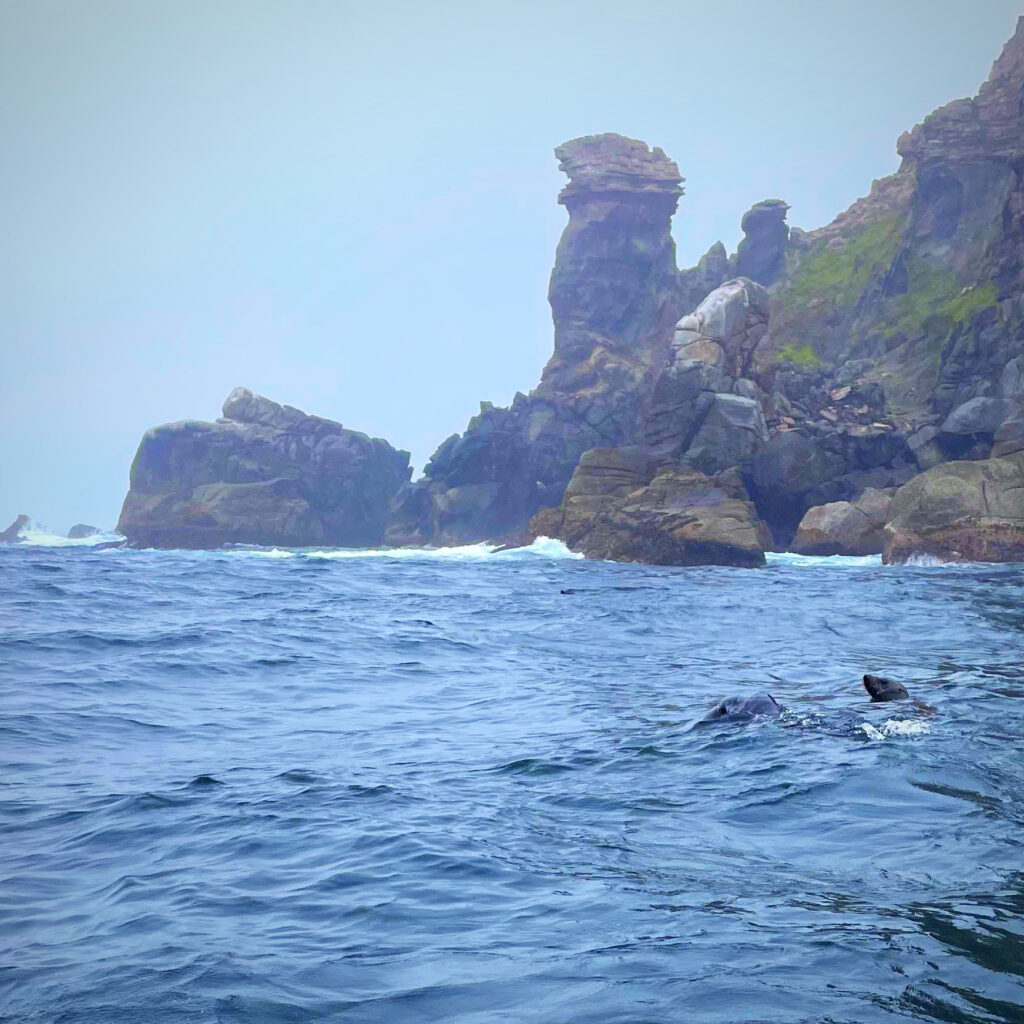
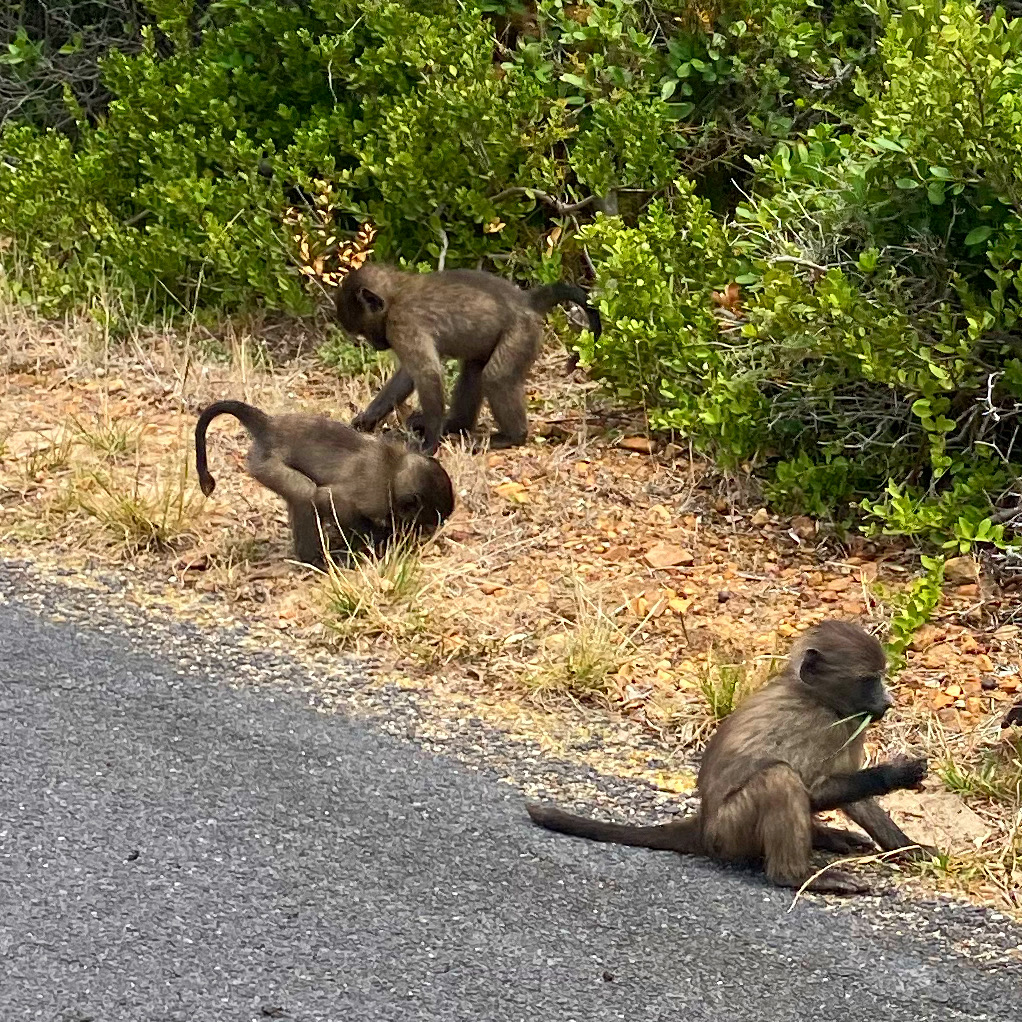
Along the coast of False Bay, you are swimming in a Marine Protected Area and you can expect to lots of wildlife, birds and fish abound and the views of the coastline are spectacular. You may even be welcomed onto the beach at Buffels Bay by bontebok or even baboons. This is a beautiful swim, not for the fainthearted, but totally worth the work.
If you are interested in swimming this route then please feel free to take a look at the CLDSA FAQ.
Related posts

CLDSA Swim Routes: Miller’s Point to Fish Hoek 10.5km
False Bay is the largest bay along the South African coastline. It is a beautiful body of water with a number of well recognised and supported […]

CLDSA Swim Routes: Robben Island
CLDSA Swim Routes: Robben Island The iconic Robben Island Crossing from the World Heritage Site, Robben Island to Blouberg Beach, is a very popular swim route. […]

New False Bay route!
The New Year got off to a bang when CLDSA member and extreme swimmer Andrea Mason forged a new route across False Bay, from Cape Point […]