Gregg Oelofse and “What About the Seals?”
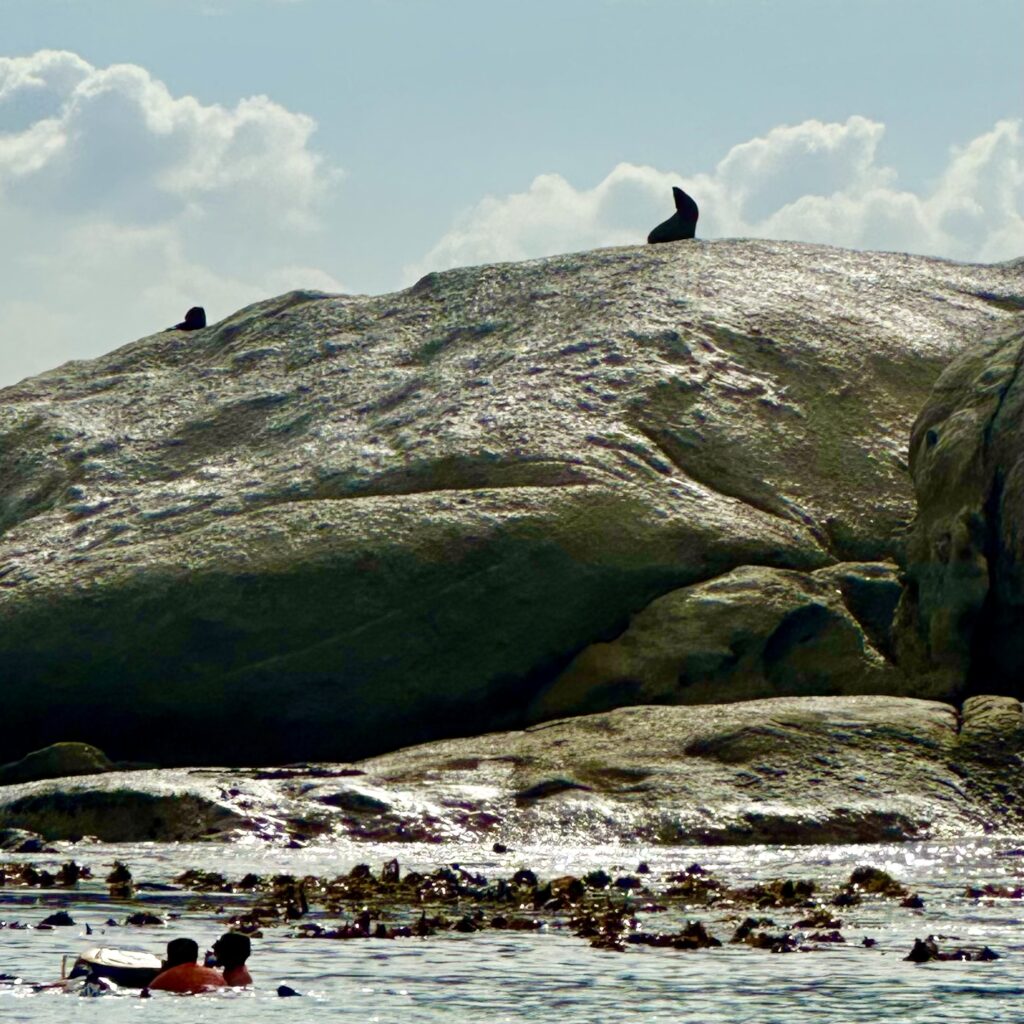
As swimmers we quite often encounter seals in local waters, along our coastline, particularly close to harbours or in our beautiful Cape Kelp Forests. Recently, folk have been asking us, “What about the Seals?” We asked Gregg Oelofse, the Manager of Coastal Management and Environmental Conservation for the City of Cape Town, a couple of questions about the Cape Fur Seal and what the procedure is for a Cape Fur Seal encounter.
Introducing the Cape Fur Seal
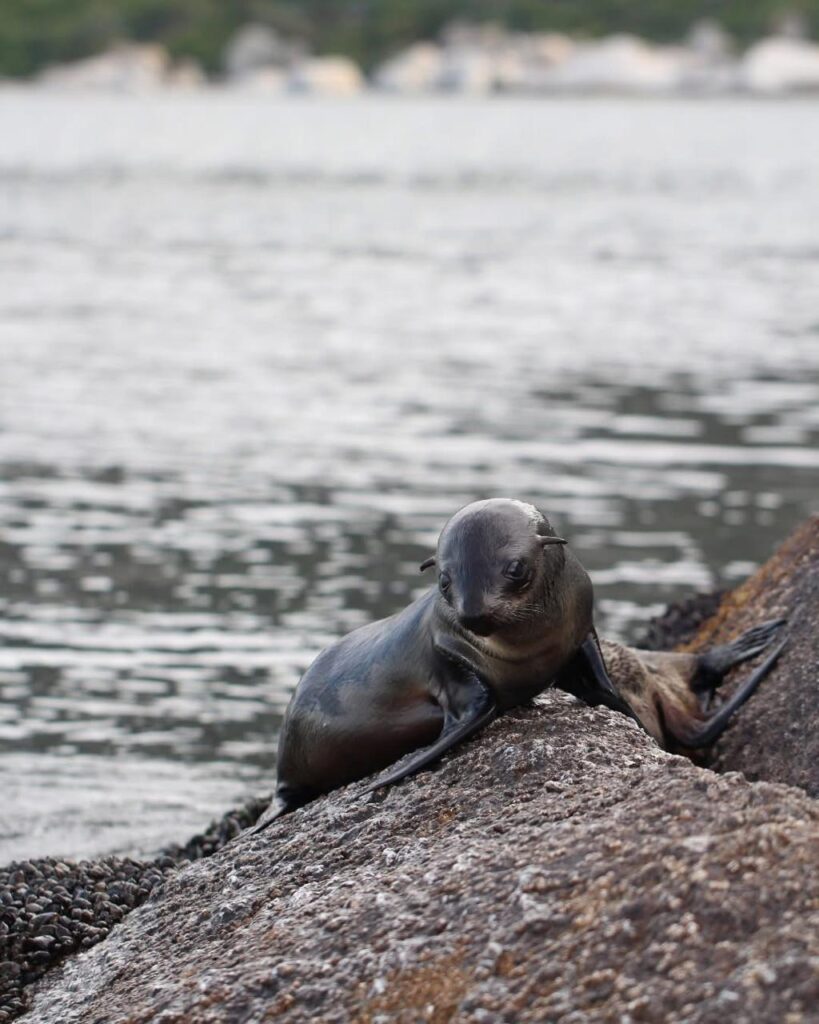
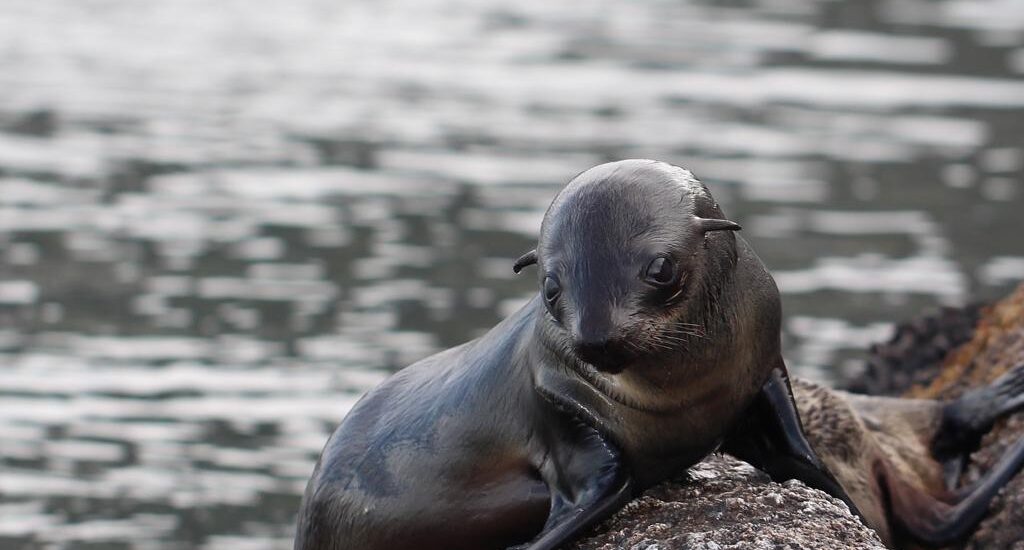
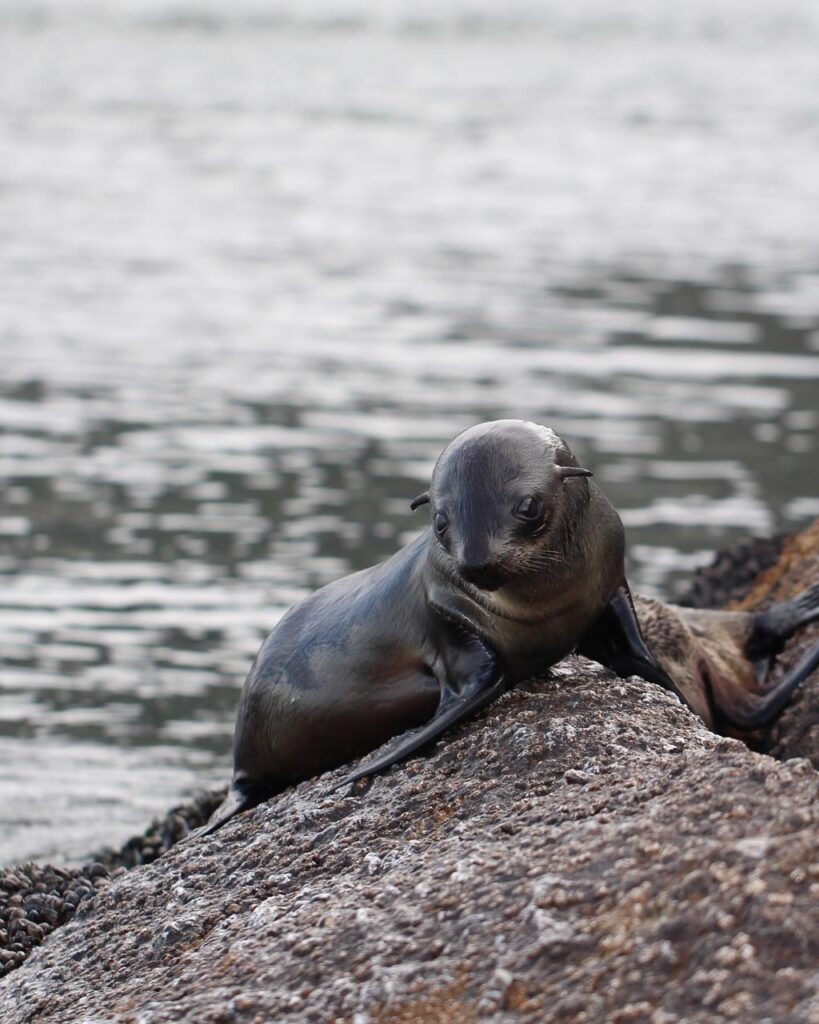
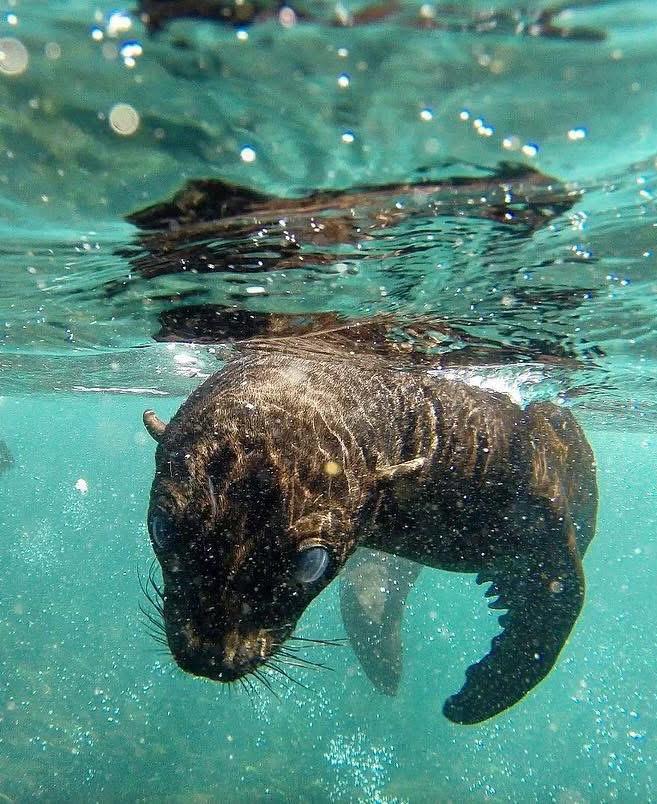
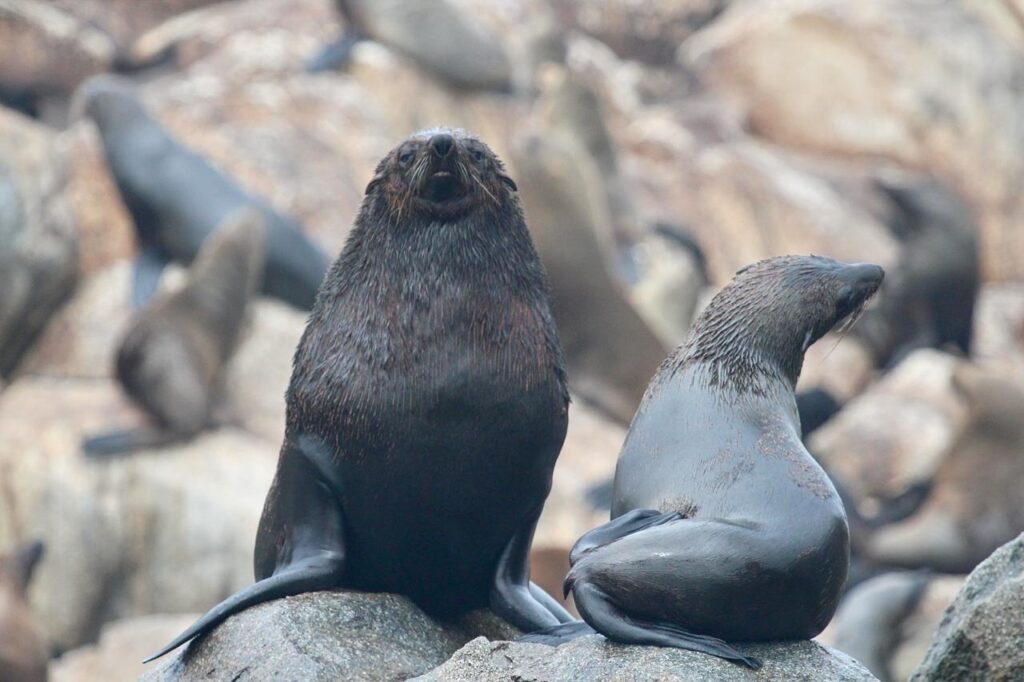
Seals are a familiar sighting in Cape Coastal waters and many open water swimmers would have had a seal encounter or two over the years. Particularly with our local seals, the Cape Fur Seal, which can be identified by their small exterior ear flaps, called pinnae.
They breed year round and live in colonies along the coastline. The pups are small and very cute. The males can be as large as 350kg, and the females are about half that size. Cape fur seals are extremely curious and playful, they also spend a large part of their time hunting for food.
On land they can be nervous and will protect their young, but in the ocean they are adventurous, playful and extremely curious. This does means that they are prone to “get in the way” of fishermen and easily get tangled in fishing debris, and plastic garbage.
Recently, incidents of aggressive behaviour with local seals alerted authorities to a rabies outbreak amongst the seal population. Rabies is a neurological illness that affects the central nervous system and brain of the animal. A rabid seal experiences extreme disorientation and pain, they demonstrate uncharacteristic behaviour, as well as becoming hydrophobic, which means that they will do everything they can to avoid water.
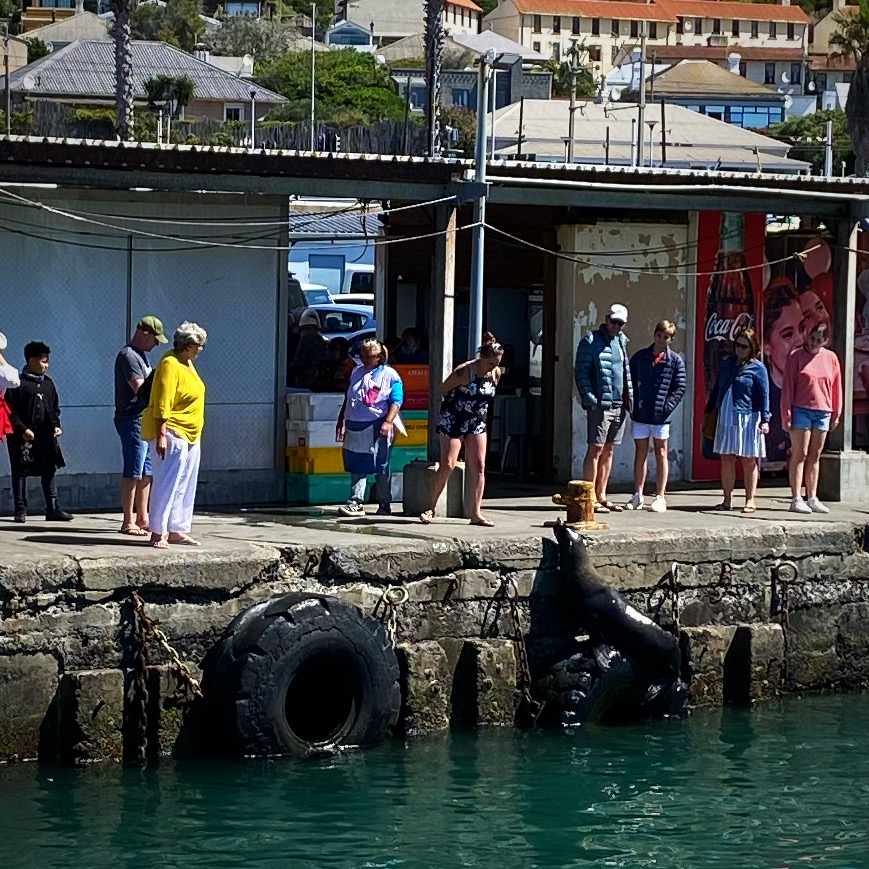
The popular seals in our small Cape Town harbours, like Kalk Bay and Hout Bay, have been tagged and vaccinated against rabies. However, large-scale vaccination of Cape fur seals is not practical, since vaccine supplies are limited and the access to the entire seal population would be difficult.
Introducing Gregg Oelofse
Gregg Oelofse is the Manager of Coastal Management and Environmental Conservation for the City of Cape Town, and has been instrumental in setting up a procedure for seal encounters in the greater Cape Town area. We asked him a couple of questions about seals, and what to do when encountering a seal, while out swimming.
What should we do if we encounter a seal while swimming?
As with all coastal wildlife, water users have a responsibility to give room and space to coastal wildlife. No one may actively approach or harass any coastal wildlife. If a seal shows any kind of aggression people need to leave the water immediately and follow the Rapid Response Protocol described below. Normal and healthy seals may “rev” swimmers or kayakers as a warning to give more space. This is not rabies. It is also a message people should take and give the animal room. It is their environment, not ours.
How do we recognise normal seal behaviour?
It is important that people don’t confuse a seal thrashing octopus or fish on the surface of the water which is a common and normal behaviour, with that of an aggressive rabid seal.
People will see a lot of seals along our coastline. Especially after a strong south east wind they will see a lot of weak and or dying seals on beaches. This is normal. The seal population has a high mortality rate and weak animals die. We remove up to 8000 carcasses a year from our shoreline. This is nature and we should not interfere.
Rabid seals are not the skinny sick seals we also see on our coast. Rabid seals are almost always fat and in a healthy body condition as rabies lies dormant for months and only produces symptoms when the virus reaches the brain and from there death is quick (3-10 days).
Are there any particular signs that we can look out for, to determine that a seal has rabies?
We have refined a pretty accurate Case Definition that we use and that is now used across South Africa.
Key things to look out for are:
- Super aggression: Biting everything and anything (rocks, boats, jetty structures, kelp, etc).
- Neurological symptoms: Head shake is a classic sign.
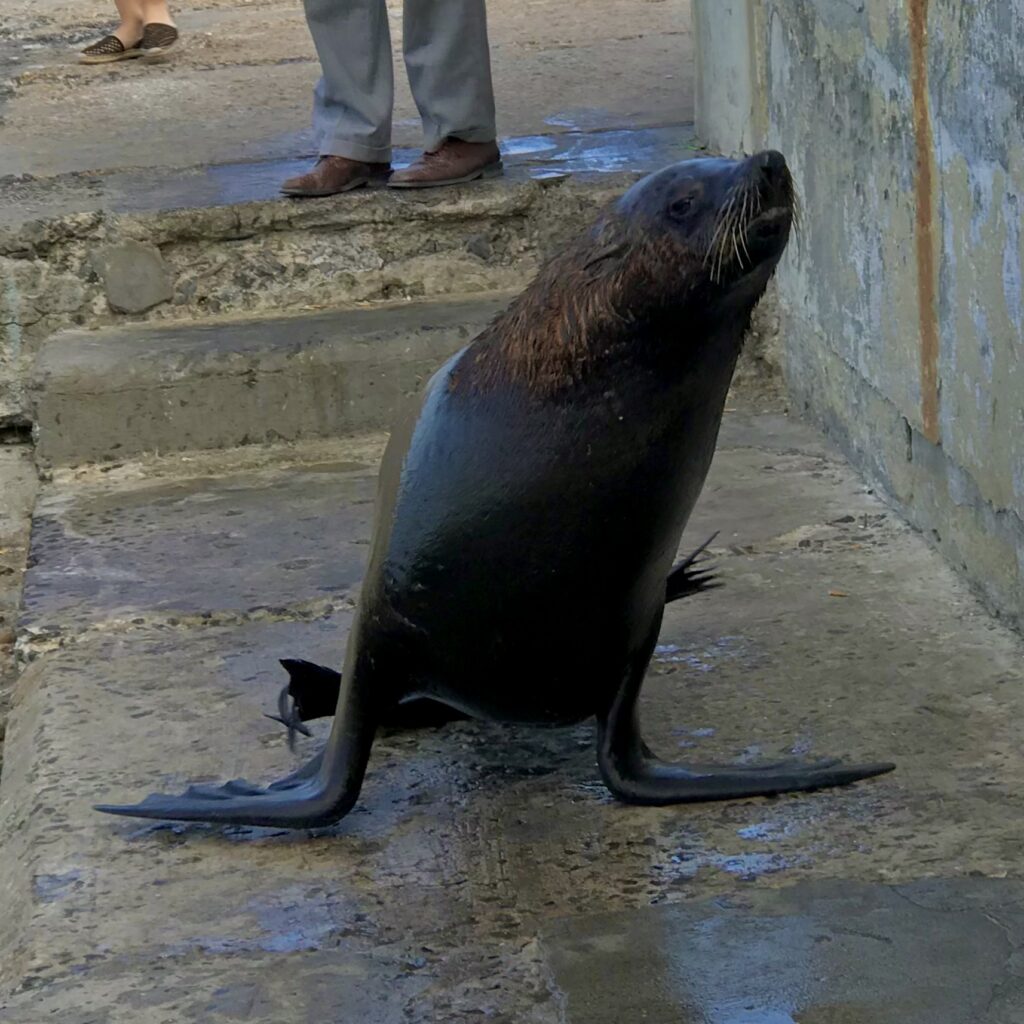
- Aggressive on the beach: Animal charges if you get close. Refuses to go back into the water. A normal seal will look to get away and will use the water to do that.
- In the water: Swims with its head up out of the water (no or less porpoising).
How does rabies affect the seal?
Once symptomatic seals suffer terribly. Great discomfort, agitation, intense aggression, become hydrophobic as muscles in throat start to struggle. This is an awful disease that causes immense suffering for the affected animal. Death is certain, 3-10 days after symptoms appear.
What should a swimmer do if they suspect a seal has rabies, or if they get bitten?
Swimmers should leave the water immediately and alert others that are in the water with you. Rabies is not to be messed with. We have a rapid response protocol and will respond to all cases with urgency, seven days a week. If anyone sees a seal that meets the description above or that has bitten anyone or their dog they must urgently follow the Rapid Response Protocol.
RAPID RESPONSE PROTOCOL
Call an Emergency Number (save these numbers in your phone before you swim):
Greg Oelofse – 083 940 8143
City Emergency number – 021 480 7700
NSRI – 087 094 9774
They must report in detail where, what, what time the incident happened, particularly if a swimmer was scratched or bitten. This is of utmost importance. It is critical that any bites must be reported so as to ensure that anyone that gets bitten gets the right treatment. The Provincial Department of Health will be alerted and will do follow ups with anyone bitten.
Calling any of these numbers is a critical step, and they will respond immediately and remove the seal as soon as they can.
Why are rabid seals removed from the coastline?
- Removal ends the animals suffering.
- Removal reduces transmission to other seals.
- Removal removes the public danger and health risk.
Are Cape Town hospitals or medical centres prepared for potential rabies cases?
The Provincial Department of Health has notified all medical Dr’s and hospitals. Rabies prophylactics are required after any seal bite. This is very important.
There is a lot of debate about vaccination, should swimmers, or frequent open water users, get vaccinated?
This is a personal choice. The Provincial Department of Health advisory is that vaccination is not recommended for recreation users and only for people that work with seals daily. Prophylactics after a bite is a highly effective treatment and is required regardless of vaccination status.
Gregg Oelofse
Manager: Coastal Management, Environmental Management, Spatial Planning and Environment
Tel: 021 487 2239 Cell: 083 940 8143